# Wendy's and On the Border Signal Hiring Push as Chains Compete for Labor
Major quick-service and casual-dining chains are ramping up recruitment efforts. Wendy's and On the Border Mexican Grill & Cantina both announced hiring initiatives targeting restaurant workers across multiple locations.
The moves reflect broader labor market pressures in the foodservice industry. Chains face persistent staffing shortages that limit operational capacity and service quality. Both companies are competing for the same pool of workers, intensifying recruitment competition.
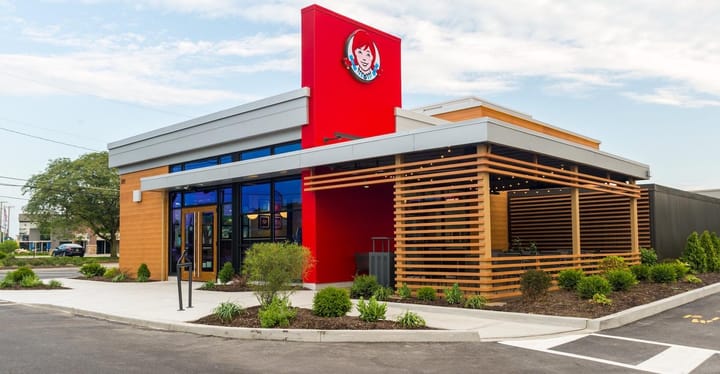
Wendy's, operating thousands of locations across North America, needs crew members and shift managers to maintain service levels. The chain's franchise model depends on individual operators hiring locally, though corporate support through job fairs and streamlined application processes helps drive recruitment.
On the Border, a casual-dining concept with over 150 locations, requires servers, kitchen staff, and managers. Casual-dining establishments typically offer higher wages and benefits than quick-service competitors, positioning them as attractive employers for workers seeking career stability.
Both chains face the same headwinds. Worker turnover in restaurants exceeds 150 percent annually in many markets. Wage pressure persists as competitors, including grocery stores and retail outlets, recruit from the same labor pools. Automation investments help offset some staffing challenges, but core operations still demand significant human labor.
The hiring announcements signal confidence in post-inflation consumer demand. Chains expand staffing when confident in sales volume. These moves also demonstrate willingness to invest in labor costs despite inflationary pressures that have squeezed margins.
Restaurant industry employment remains below pre-pandemic peaks in many regions. Successful recruitment directly impacts a chain's ability to execute expansion plans and maintain franchisee profitability. For Wendy's and On the Border, hiring now means capitalizing on whatever economic momentum exists before potential demand softening later in the year.