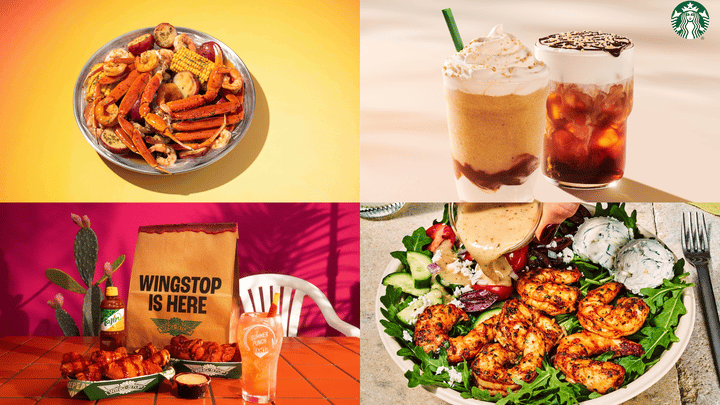
Red Lobster introduces a lobster macaroni and cheese dish that pairs the chain's signature crustacean with creamy pasta, marking an attempt to broaden its comfort-food appeal beyond traditional seafood offerings. The item sits alongside seasonal specials designed to drive traffic during slower periods.
Starbucks rolls out new beverage innovations across its portfolio, continuing the coffee giant's strategy of rotating limited-time drinks to maintain customer engagement and drive repeat visits. The chain's relentless menu cycling keeps the brand top-of-mind in the competitive coffee space.
Wingstop expands its wing sauce lineup with fresh flavor profiles targeting younger diners and adventurous eaters. The wing chain's innovation focus reflects broader industry trends where limited-time offerings generate urgency and social media buzz.
Beyond these three major players, significant culinary developments ripple across the restaurant landscape. Blue Bottle Coffee pushes its specialty coffee positioning with new single-origin highlights. Cava experiments with bold Mediterranean flavors, leaning into fast-casual dining's evolution toward ingredient-driven menus. Chili's tests new appetizer concepts to compete in the shareable-foods category. Dutch Bros accelerates its coffee innovation amid aggressive expansion. Jollibee introduces items tailored to regional markets, reflecting its strategy of menu localization. Portillo's adds to its Italian beef and sandwich legacy with contemporary twists. Potbelly continues iterating on its made-to-order sandwich format.
This menu churn reflects a restaurant industry truth: standing still means losing ground. Chains deploy new items as marketing tools, not just food. They generate press coverage, drive app notifications, and create FOMO among diners seeking novelty. Limited-time offerings also allow restaurants to test ingredients and flavors with minimal financial risk before potential permanent adoption.
The frequency of these launches has accelerated in recent years as