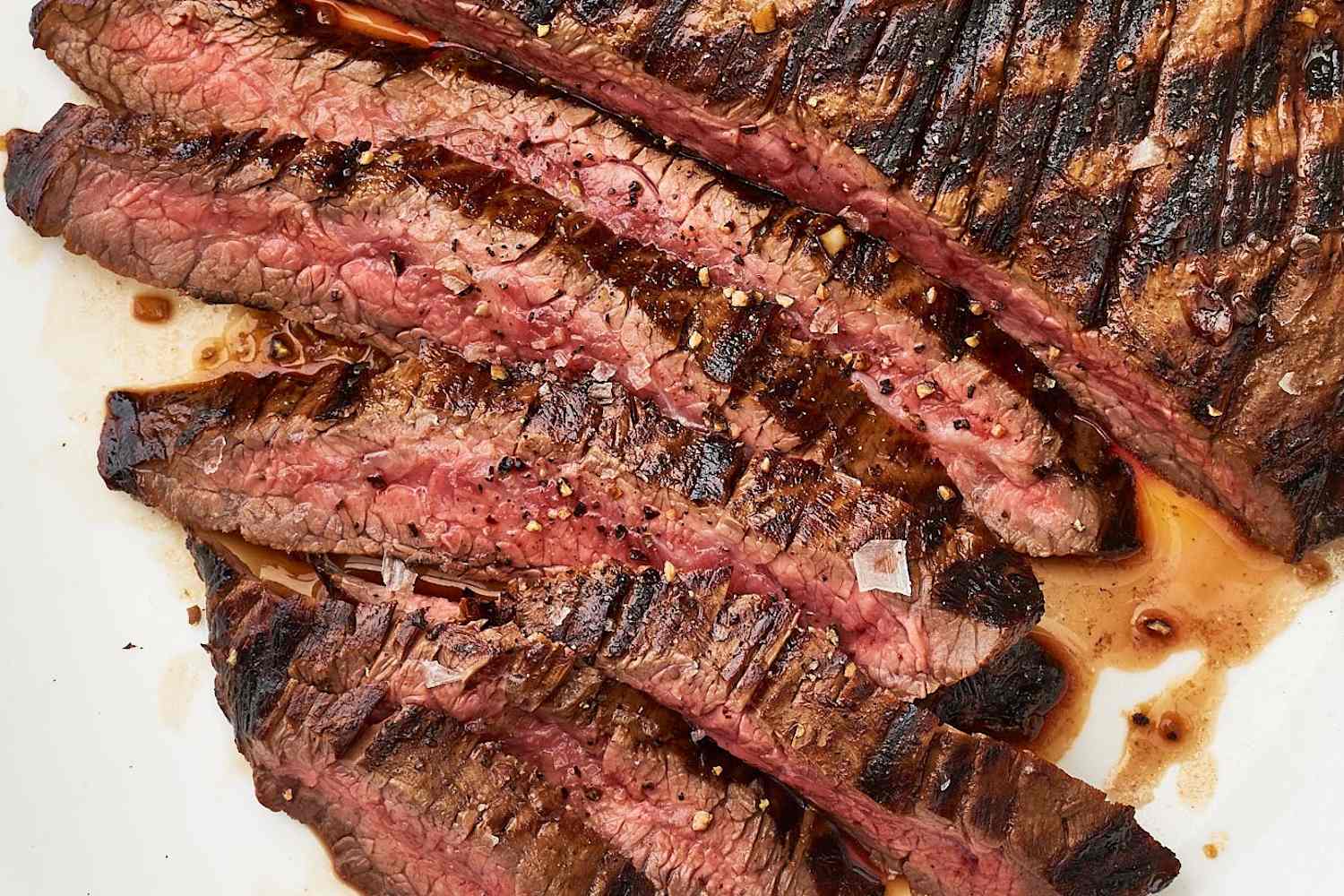
Award-winning Southern chef pinpoints a widespread grilling mistake that compromises meat quality. The overlooked error involves temperature management during the cooking process.
Most home cooks fail to let meat reach proper internal temperature before removing it from heat. This creates meat that appears cooked on the outside but remains undercooked or unevenly cooked inside. The result damages texture and tenderness.
The solution requires patience and a reliable meat thermometer. Cooks must monitor internal temperature throughout grilling rather than relying on visual cues alone. Different cuts demand different target temperatures. Chicken requires 165 degrees Fahrenheit for food safety. Beef steaks reach optimal doneness between 130 and 135 degrees for medium-rare. Pork shoulder for pulled meat needs to reach 190 to 205 degrees.
The chef emphasizes that removing meat at the correct temperature, then allowing proper resting time, produces genuinely tender results. Rest periods allow carryover cooking to finish the process while muscle fibers relax and retain moisture. Skipping this step wastes the entire cooking effort.
Southern barbecue tradition relies on understanding heat and timing. Low-and-slow smoking requires vastly different temperature approaches than hot-and-fast grilling. Regional styles developed because cooks learned what temperatures produced the best outcomes for specific meats and regional preferences.
Home grilling culture often skips these fundamentals. The pressure to serve food quickly leads cooks to guess doneness from color or firmness. This guessing game eliminates consistency and quality.
Investing in a quality instant-read thermometer costs under thirty dollars and transforms grilling results. The device removes uncertainty and builds cooking confidence. Once cooks understand how different temperatures affect texture and safety, they develop intuition that enhances future sessions.
This simple practice separates backyard barbecuers from skilled grillers. The