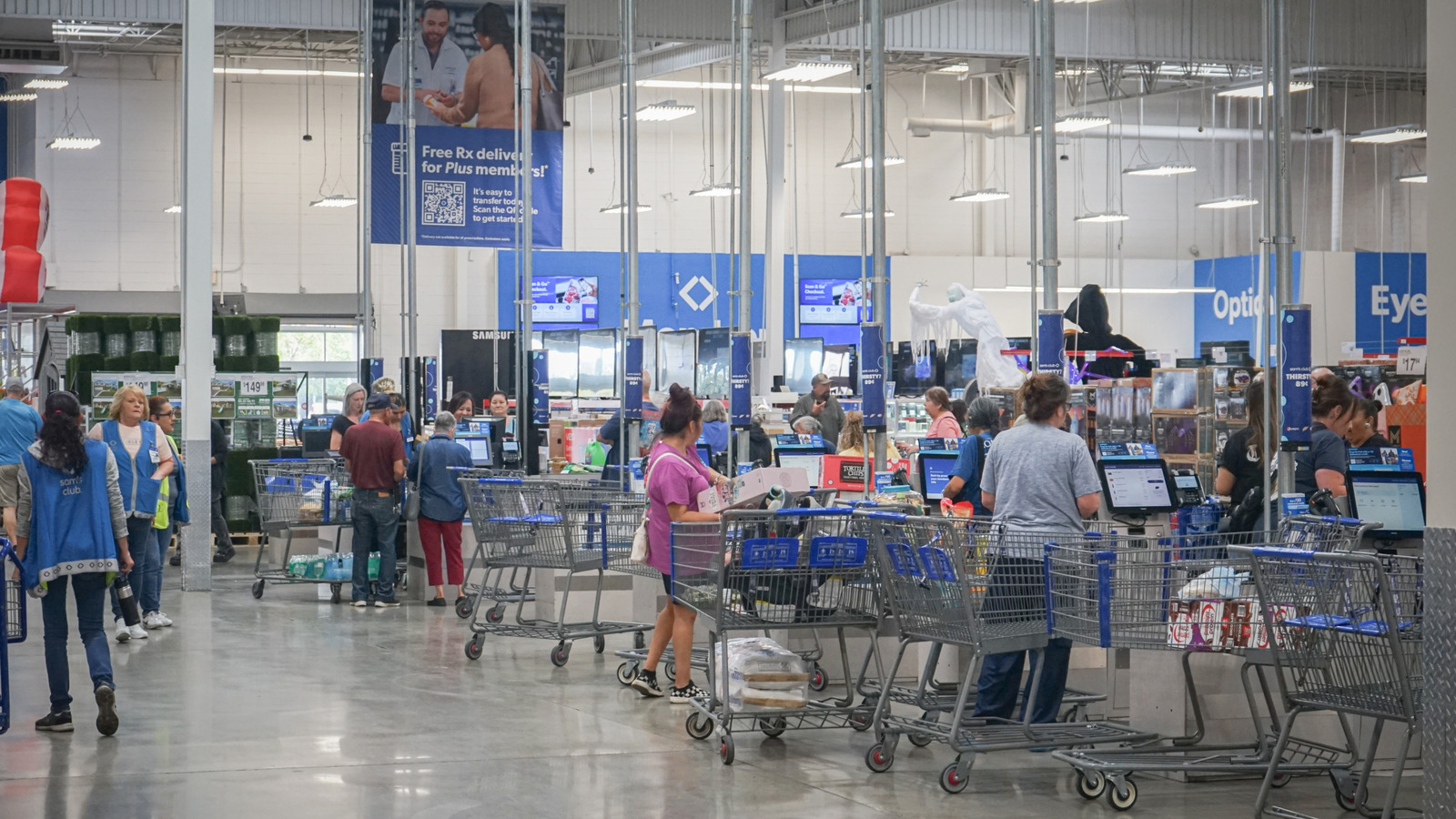
Sam's Club has quietly become a destination for prepared foods that rival restaurant quality at warehouse prices. Customers skip the kitchen entirely and grab rotisserie chickens, ready-made salads, and hot takeout from the food court, transforming bulk shopping into a meal solution.
The warehouse club stocks prepared items across multiple categories. Rotisserie chickens remain bestsellers, seasoned and ready to shred for tacos or grain bowls. Hot cases display ribs, brisket, and chicken tenders alongside steam tables of sides. The deli counter offers pre-made sandwiches, wraps, and charcuterie boards assembled fresh daily. Salad stations let shoppers customize or grab pre-composed options with dressings on the side.
Members praise the value proposition. A rotisserie chicken costs under $10. Family-sized prepared meals feed four for less than $25. The quality consistency matters. Sam's Club maintains standardized recipes across locations, so a member in Ohio gets the same brisket as one in California.
The food court expands options further. Pizza by the slice, hot dogs, and combo meals deliver quick lunch solutions during shopping trips. Newer locations test sushi rolls, poke bowls, and international cuisines alongside traditional offerings.
This shift reflects broader consumer behavior. Working parents, busy professionals, and older shoppers seek convenience without sacrificing nutritional value or taste. Sam's Club captures this market by treating prepared foods as a serious business line, not an afterthought.
The prepared food strategy also deepens membership loyalty. Members return for bulk staples but leave with dinner already handled. Cross-category shopping increases basket sizes. A customer buying chicken breasts might grab rotisserie chickens instead, plus deli salads and sides.
Competitors like Costco and BJ's Wholesale have similar programs, but Sam's Club differentiates