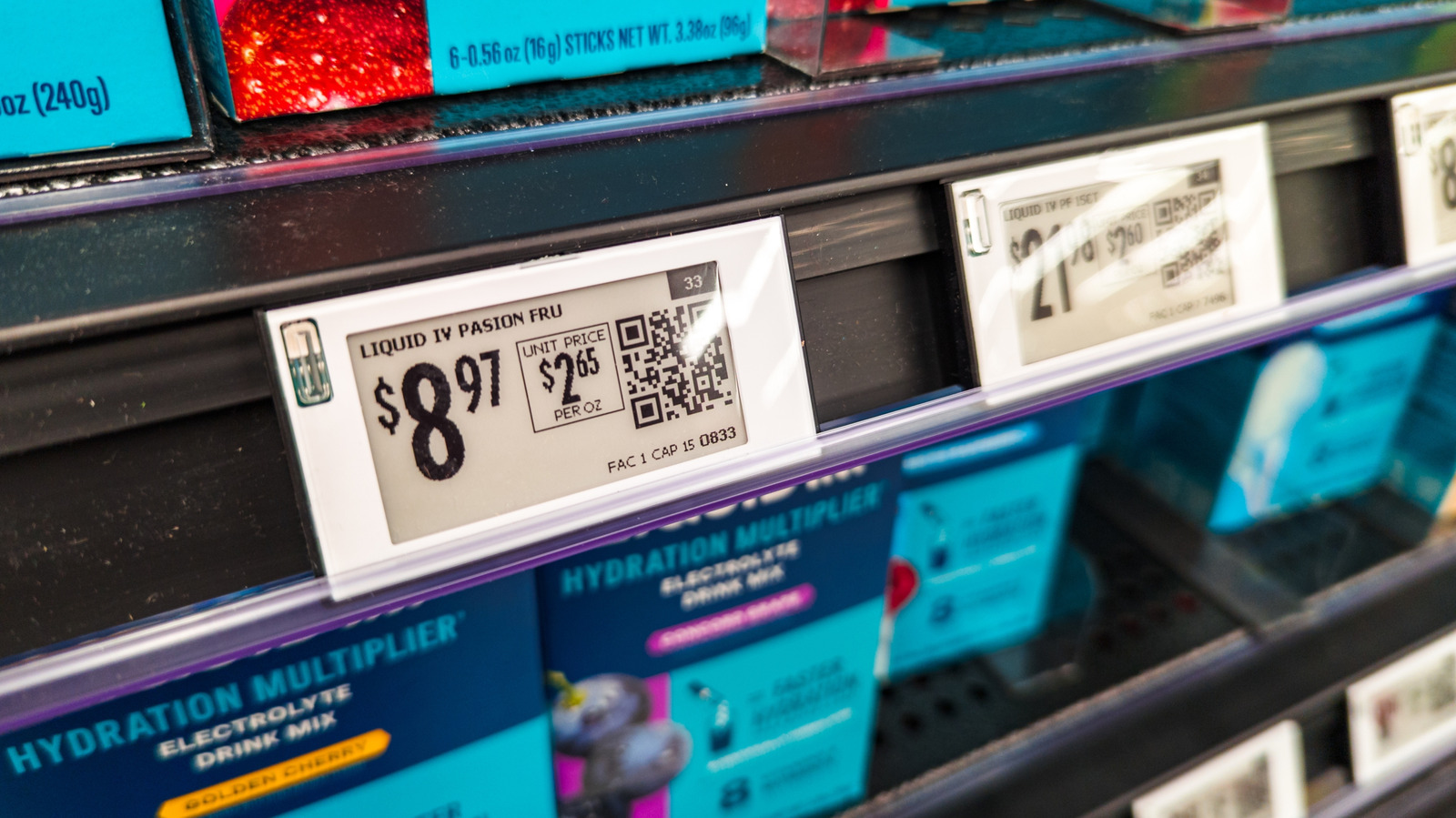
Dynamic pricing technology has arrived at supermarkets across North America, fundamentally shifting how consumers pay for groceries. Retailers now adjust prices in real time based on demand, inventory levels, weather patterns, and competitor pricing. A carton of eggs that costs $3.49 at 8 a.m. might jump to $4.29 by noon during peak shopping hours, then drop to $2.99 at 6 p.m.
Major chains including Kroger, Albertsons, and Walmart have quietly implemented these systems in select locations. The technology mirrors airline and hotel pricing models, where prices fluctuate constantly. Grocery chains justify the practice as efficient inventory management. Lower prices on items nearing expiration dates reduce waste. Higher prices during peak demand hours stabilize stock and manage customer flow.
But consumers face new challenges. Grocery shopping becomes a timing game. Savvy shoppers who download retailer apps gain access to dynamic prices before checkout, while others pay inflated rates. Lower-income households, already stretched thin on food budgets, suffer disproportionately. They lack flexibility to shop at off-peak hours and cannot plan purchases around price swings.
The Federal Trade Commission has begun scrutinizing dynamic pricing practices across retail sectors. Consumer advocacy groups warn that without transparency, the systems invite price discrimination. Some states have proposed legislation requiring supermarkets to disclose price changes and justify increases.
Retailers counter that dynamic pricing ultimately benefits consumers through waste reduction and competitive pricing. They argue transparency exists through apps and digital displays. Yet many shoppers remain unaware prices shift throughout their shopping trips.
The grocery industry stands at a crossroads. Embrace dynamic pricing for efficiency and profit, or maintain stable prices for consumer trust and accessibility. As technology becomes cheaper and more prevalent, more supermarkets will likely adopt these systems. How regulators respond will shape whether dynamic pricing becomes