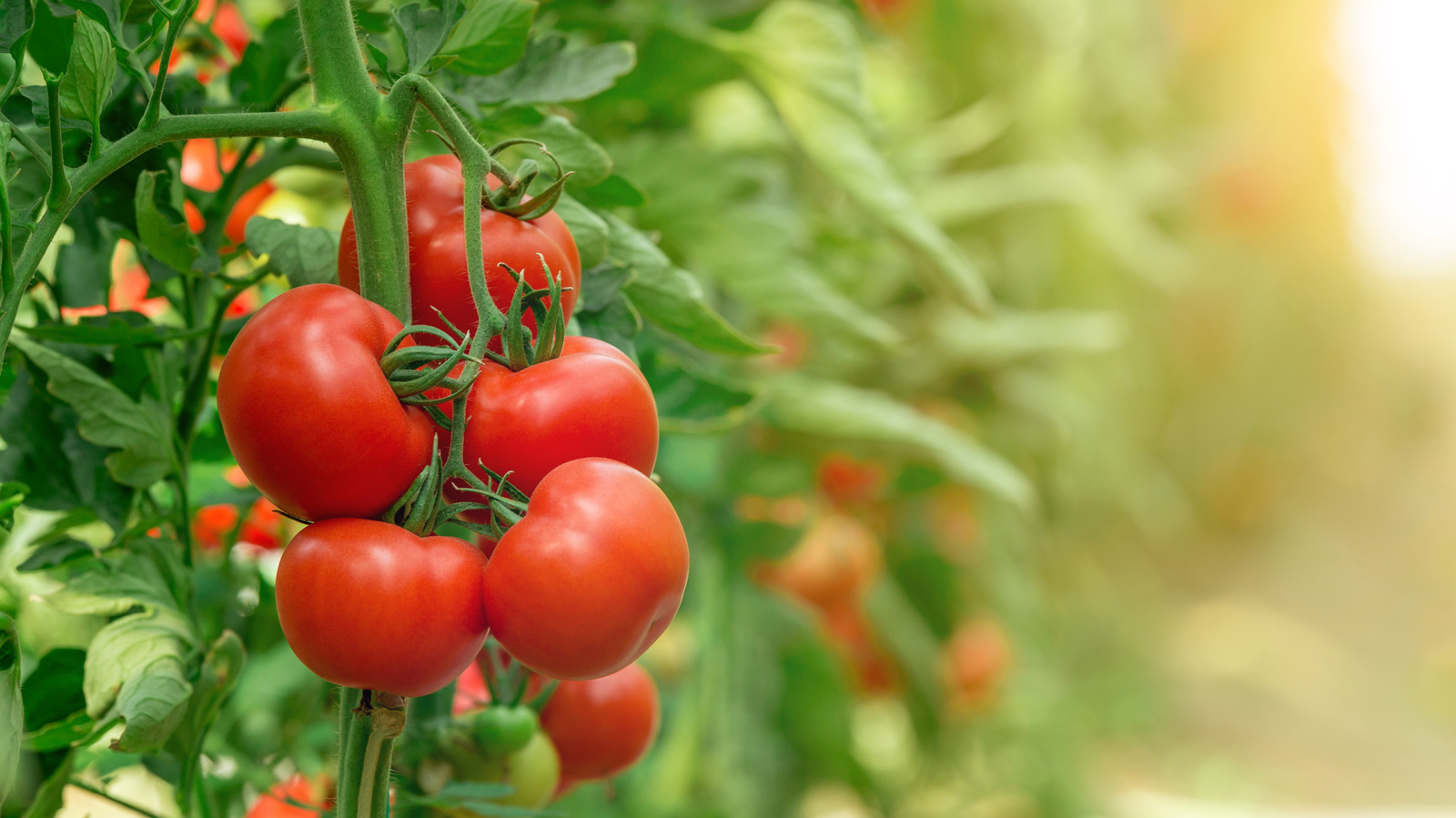
Crop rotation stands as one of gardening's oldest and most effective practices, and tomatoes demand particular attention to this principle. Planting tomatoes in the same soil year after year depletes specific nutrients while allowing soil-borne diseases to accumulate, creating ideal conditions for failure.
Tomato plants exhaust nitrogen and potassium from soil during their growing season. Without rotation, these essential nutrients become scarce, forcing gardeners to rely heavily on fertilizers to maintain productivity. More critically, pathogens like fusarium wilt, early blight, and septoria leaf spot persist in soil for years. These diseases target tomato plants specifically, and concentrated planting in one location guarantees their proliferation.
The solution involves a three-to-four-year rotation cycle. Plant tomatoes in a garden bed, then shift to unrelated crops the following season. Legumes like beans and peas naturally replenish nitrogen through their root systems. Root vegetables, leafy greens, and brassicas like cabbage all work as effective rotation crops. After three years away from that bed, tomato soil restores its balance and disease pressure drops dramatically.
Gardeners with limited space can practice container rotation or amend soil heavily with compost between plantings. Adding two to three inches of quality compost annually helps rebuild depleted nutrients and introduces beneficial microorganisms that suppress disease. Mulching around plants further protects soil health by regulating moisture and temperature.
Home gardeners who ignore crop rotation often face frustration by mid-summer. Stunted growth, yellowing leaves, and sudden wilting signal both nutrient deficiency and disease onset. A single season of poor harvests costs far less effort than implementing rotation, yet many gardeners repeat the same mistake annually.
The payoff extends beyond individual plants. Diverse crop rotations build resilient soil ecosystems that support multiple vegetables across a season