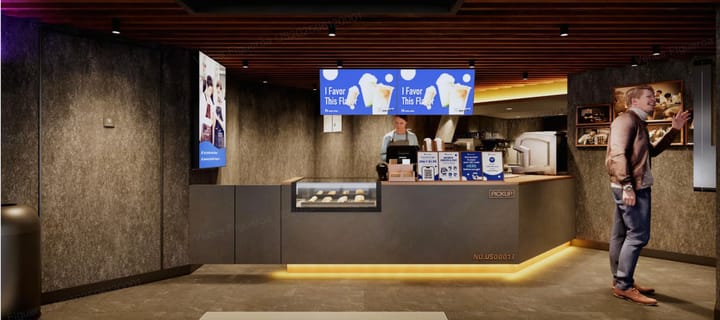
Luckin Coffee rolls out self-ordering kiosks across its New York City footprint as the Chinese coffee chain accelerates its American expansion. The move pairs digital convenience with physical presence, giving customers multiple pathways to order.
The kiosks complement Luckin's existing mobile app, which has become central to the company's business model. This dual-channel approach reflects how modern coffee chains compete in dense urban markets where speed and efficiency matter as much as taste. Customers can now order at kiosks, through the app, or at traditional counters, reducing bottlenecks during peak hours.
Luckin's New York push comes at a pivotal moment. The brand recovered from a 2020 accounting scandal that nearly destroyed it. Since then, the company rebuilt aggressively, becoming China's largest coffee chain by sales volume. Now it targets American consumers with a speed-focused model built on technology rather than cafe culture.
The two new NYC locations signal confidence in the U.S. market. New York represents both a test ground and a prize for any emerging restaurant brand. Success here translates to credibility elsewhere. Luckin competes directly with Starbucks, Blue Bottle, and local roasters, all fighting for market share in a crowded coffee landscape.
The kiosk strategy serves Luckin's core strengths. The company operates with lower labor costs than traditional cafes by automating order-taking. Kiosks reduce human interaction, speeding transactions. They also gather data on customer preferences, feeding Luckin's app algorithms.
But kiosks carry risk in New York. The city's coffee culture values personal interaction and craft. Some customers resist touchscreen ordering, particularly older demographics. Luckin must balance operational efficiency with the human warmth that keeps customers loyal.
The expansion reveals how technology reshapes coffee retail. Whether kiosks enhance or diminish