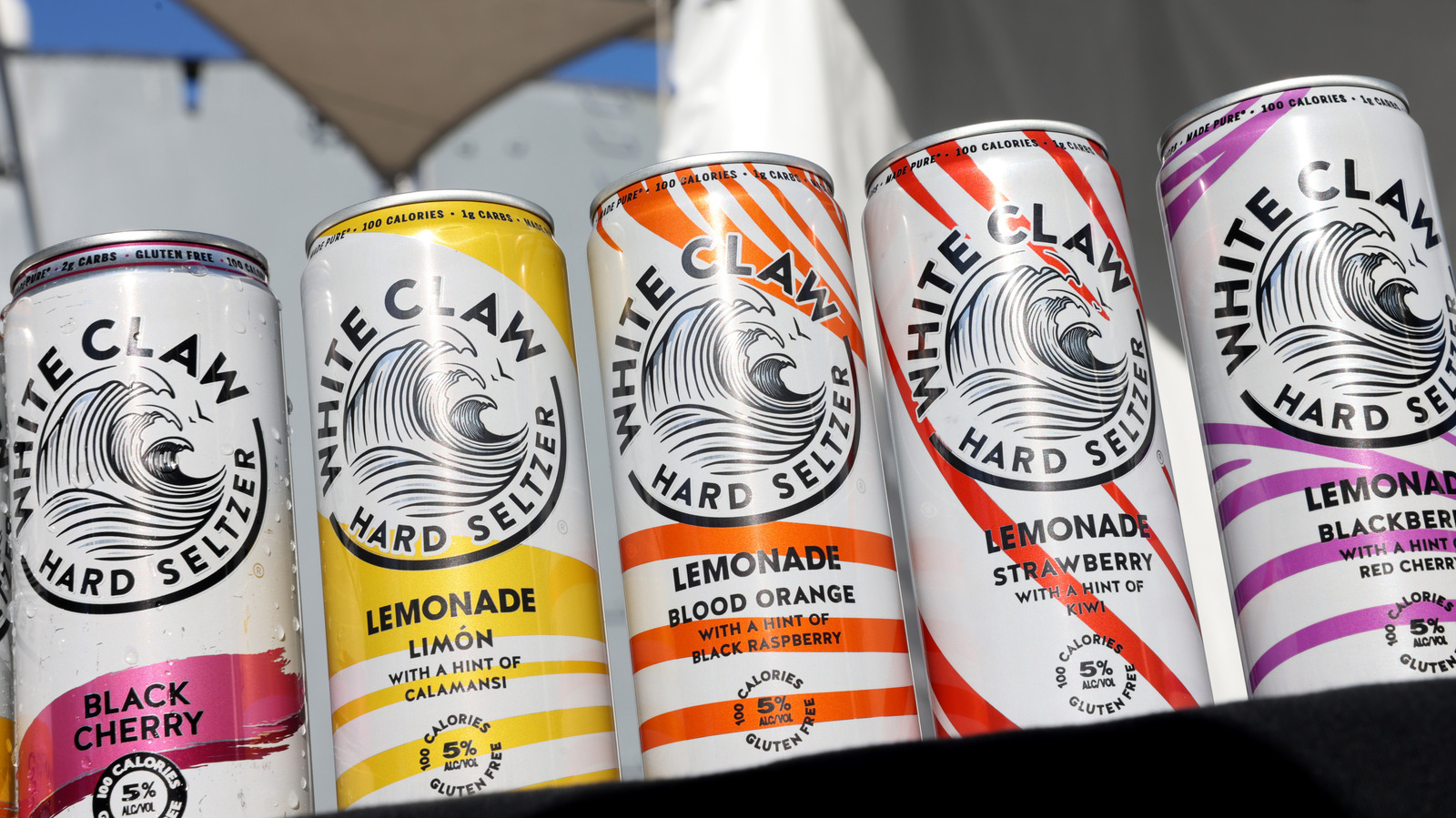
White Claw has become the go-to base for casual summer drinking, and pairing the seltzer with tropical fruit creates an effortless cocktail strategy for backyard entertaining. The hard seltzer's neutral flavor profile makes it a blank canvas for fruit-forward drinks that require minimal preparation.
Bartenders and home mixologists favor White Claw for summer service because it eliminates the need for traditional mixers. A White Claw base with fresh mango, passion fruit, or pineapple delivers the refreshment drinkers expect without requiring spirits, bitters, or complex technique. The combination taps into the broader trend of sessionable drinks—lower ABV options designed for extended social drinking without heavy alcohol content.
The appeal extends beyond flavor. White Claw's premixed format means less work during peak summer entertaining. No bottles to open, no measuring, no dilution concerns. For consumers, it represents convenience without sacrificing taste. The seltzer's carbonation provides structure that fresh fruit juices or purees alone cannot deliver, creating bright, crisp drinks that feel lighter than traditional cocktails.
This pairing strategy also reflects shifting consumer preferences away from sugary mixers toward naturally sweetened options. Fresh tropical fruit offers complexity and visual appeal that premade syrups cannot match. The combination reads as both indulgent and health-conscious—a particularly valuable positioning for summer drinking.
White Claw's dominance in the hard seltzer category, cemented after explosive growth in 2019, gives the brand considerable flexibility in how consumers approach mixology at home. Marketing these fruit combinations teaches consumers that premium entertaining doesn't require bartending skills or expensive ingredients. It democratizes cocktail culture.
For retailers, this trend drives incremental fruit purchases alongside seltzer sales. For consumers, it offers a pathway to impressive drinks prepared in under two minutes. The formula works because