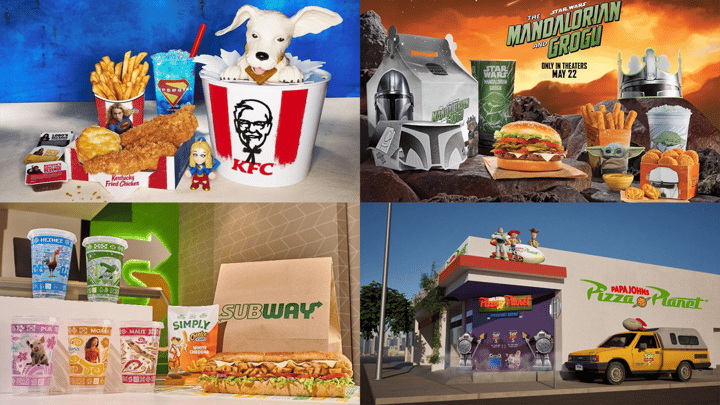
Restaurant chains capitalized on blockbuster releases during the second quarter, launching limited-time movie tie-in meals that drove foot traffic and boosted sales. Quick-service and casual dining operators tied promotions to major film releases, creating branded menu items and packaging that resonated with moviegoers heading to theaters.
The strategy proved effective across multiple chains. Restaurants leveraged anticipation around summer films to create buzz beyond their dining rooms. Themed meals, collectible cups, and exclusive merchandise bundled with food purchases gave customers reasons to choose specific chains over competitors.
Movie tie-ins operate as a proven playbook in the restaurant industry. They align dining occasions with entertainment events, tapping into the cultural moment when films dominate conversation. The promotions typically run four to six weeks, matching theatrical release windows. This timing capitalizes on peak audience engagement and generates social media content as customers share branded packaging.
The Q2 performance reflects broader consumer behavior. People planning movie outings often grab meals beforehand or afterward, making restaurants natural partners for studios and chains alike. Tie-in meals remove friction from that decision by bundling the cinema experience with food through coordinated branding and limited offerings that feel exclusive.
Chains reported strong returns on these partnerships. The novelty factor drives repeat visits from both regular customers and casual diners seeking the limited edition experience. Collectible items, particularly branded cups and containers, encourage purchases and create lasting brand associations.
This approach benefits studios too. Restaurant promotions extend film marketing into retail environments where consumers spend money on food. A successful tie-in creates multiple touchpoints for promotional messaging, from in-store signage to social media to customer conversations.
The Q2 results position movie tie-ins as a mainstay of seasonal restaurant strategy. As studios continue releasing major tentpoles throughout the year, chains will likely expand these partnerships. The model works because it aligns two consumer desires: