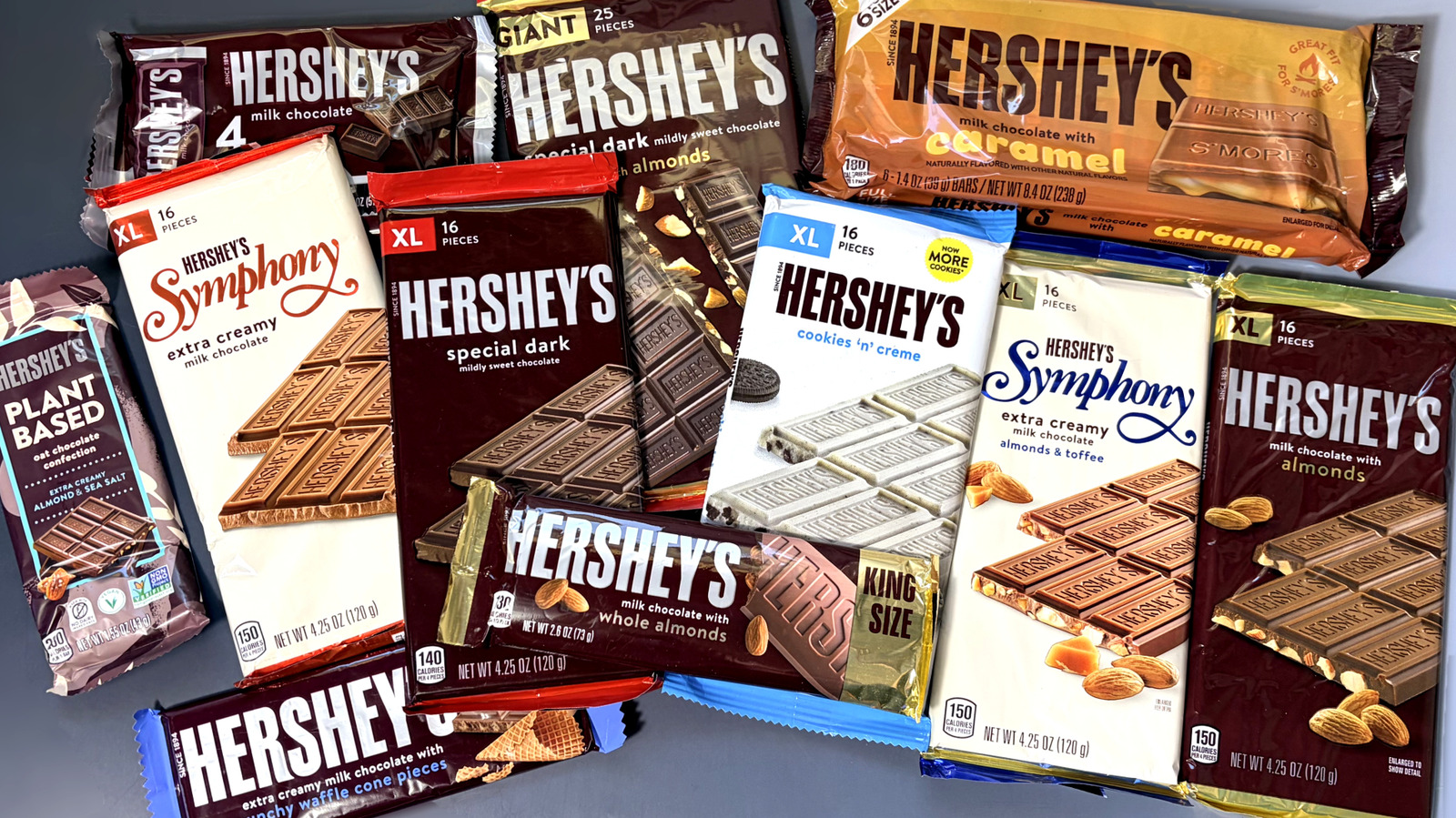
Hershey's expanded its chocolate lineup well beyond the iconic silver-wrapped bar, and taste testers at The Daily Meal sampled eleven varieties to determine which deserve shelf space in your pantry.
The rankings pit Hershey's core offerings against one another, evaluating texture, cocoa intensity, and overall eating experience. The classic milk chocolate bar remains a benchmark, but Hershey's has introduced darker alternatives, specialty blends, and flavor variations that appeal to different palates and occasions.
This kind of comparative testing matters because Hershey's dominates American chocolate retail. The brand controls roughly 30 percent of the US chocolate market, making its product decisions influential across grocery stores and convenience shops nationwide. When Hershey's releases new varieties or reformulates existing ones, it shapes what consumers encounter and expect from chocolate.
The taste-test approach cuts through marketing claims. By placing bars side by side, testers evaluated whether Hershey's Special Dark delivers genuine cocoa depth or merely darker color. They assessed whether newer formulations maintain the brand's recognizable snap and mouthfeel, or if cost-saving ingredient swaps compromise quality.
Hershey's has long walked a line between mass-market accessibility and chocolate purists' demands. The company uses cocoa butter alternatives and specific fermentation practices that give Hershey's chocolate its distinctive tang, a flavor profile Americans grew up with and either embrace or reject.
Rankings like this reflect broader American chocolate preferences. Dark chocolate consumption has risen as consumers pursue health-conscious choices, yet milk chocolate still dominates sales. Specialty flavors test whether Hershey's can compete with craft chocolate makers or if the brand's strength lies in familiar simplicity.
The Daily Meal's rankings serve consumers making everyday candy purchases. Whether you grab Hershey's for road trips, vending machines, or baking projects