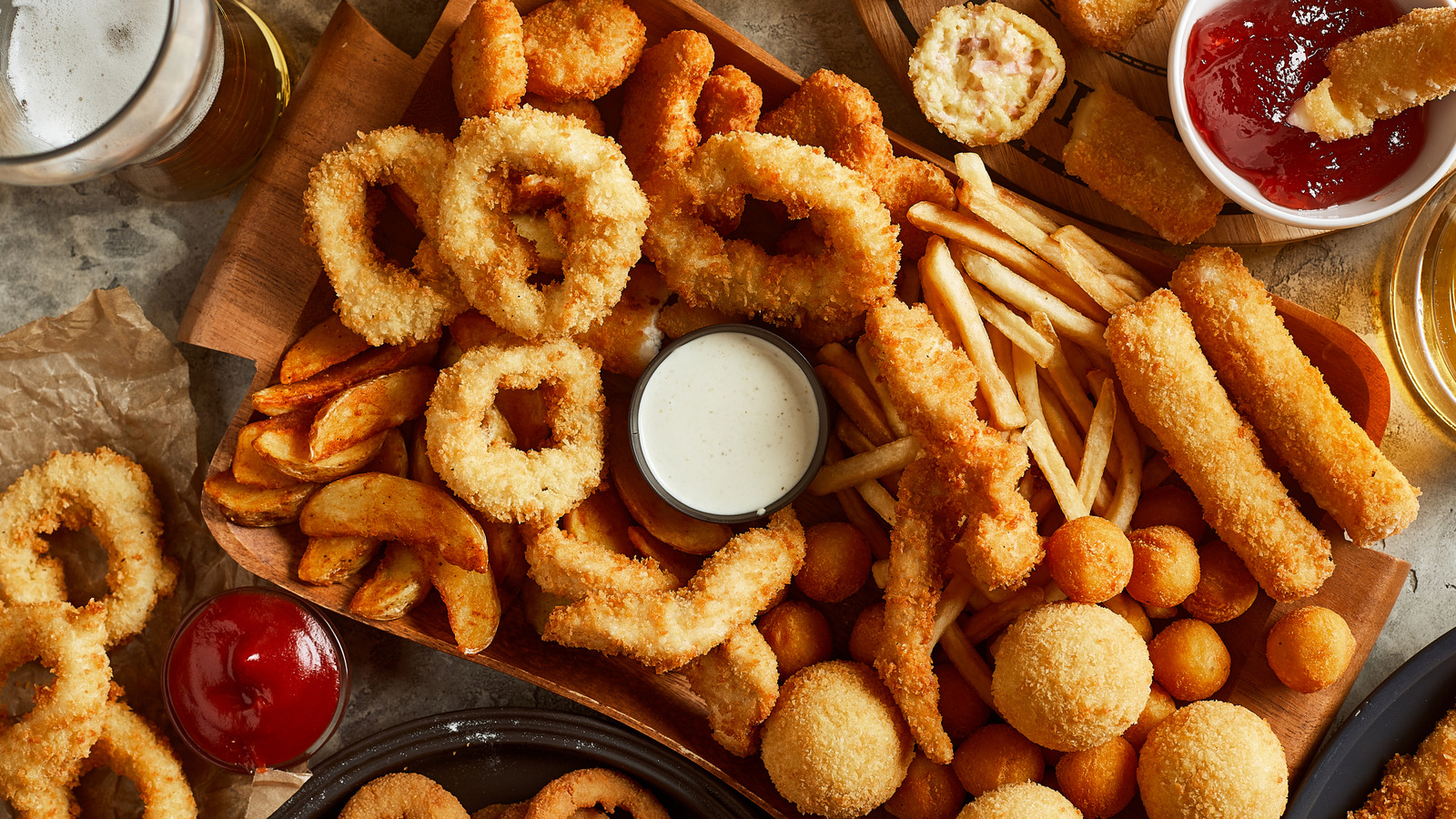
A major steakhouse chain fries its menu items in beef tallow, the rendered fat from cattle. This cooking method reflects a deliberate choice to lean into the chain's meat-centric identity and amplify savory flavors across appetizers, sides, and other fried dishes.
Beef tallow has experienced a quiet resurgence in professional kitchens over the past decade. Chefs value it for delivering richer, meatier taste compared to neutral vegetable oils. The fat creates a distinctive crust and absorbs flavors differently than canola or soybean oil. For steakhouse operations, using tallow aligns with their brand promise. Diners expect beef flavor to extend beyond the main course.
The practice connects to broader shifts in how restaurants source and use animal products. High-end establishments increasingly adopt nose-to-tail cooking philosophy, minimizing waste and maximizing ingredient utility. A steakhouse equipped to process beef carcasses already has tallow as a byproduct. Converting it into cooking fat represents operational efficiency and cost savings.
However, beef tallow carries nutritional considerations. The fat contains saturated fats, which health organizations continue to scrutinize. Some restaurants have moved away from animal fats due to consumer health consciousness and the rise of plant-based cooking trends. Yet steakhouse patrons typically prioritize taste over dietary restrictions, creating a customer base willing to embrace traditional frying methods.
The use of beef tallow also signals authenticity. Casual diners recognize it as a mark of old-school steakhouse culture, evoking images of clubby dining rooms and no-nonsense kitchens. In an era when restaurant differentiation matters, using tallow becomes marketing shorthand for commitment to tradition and quality.
This approach demonstrates how ingredient choices communicate a restaurant's values. By frying in beef tallow, the steakhouse