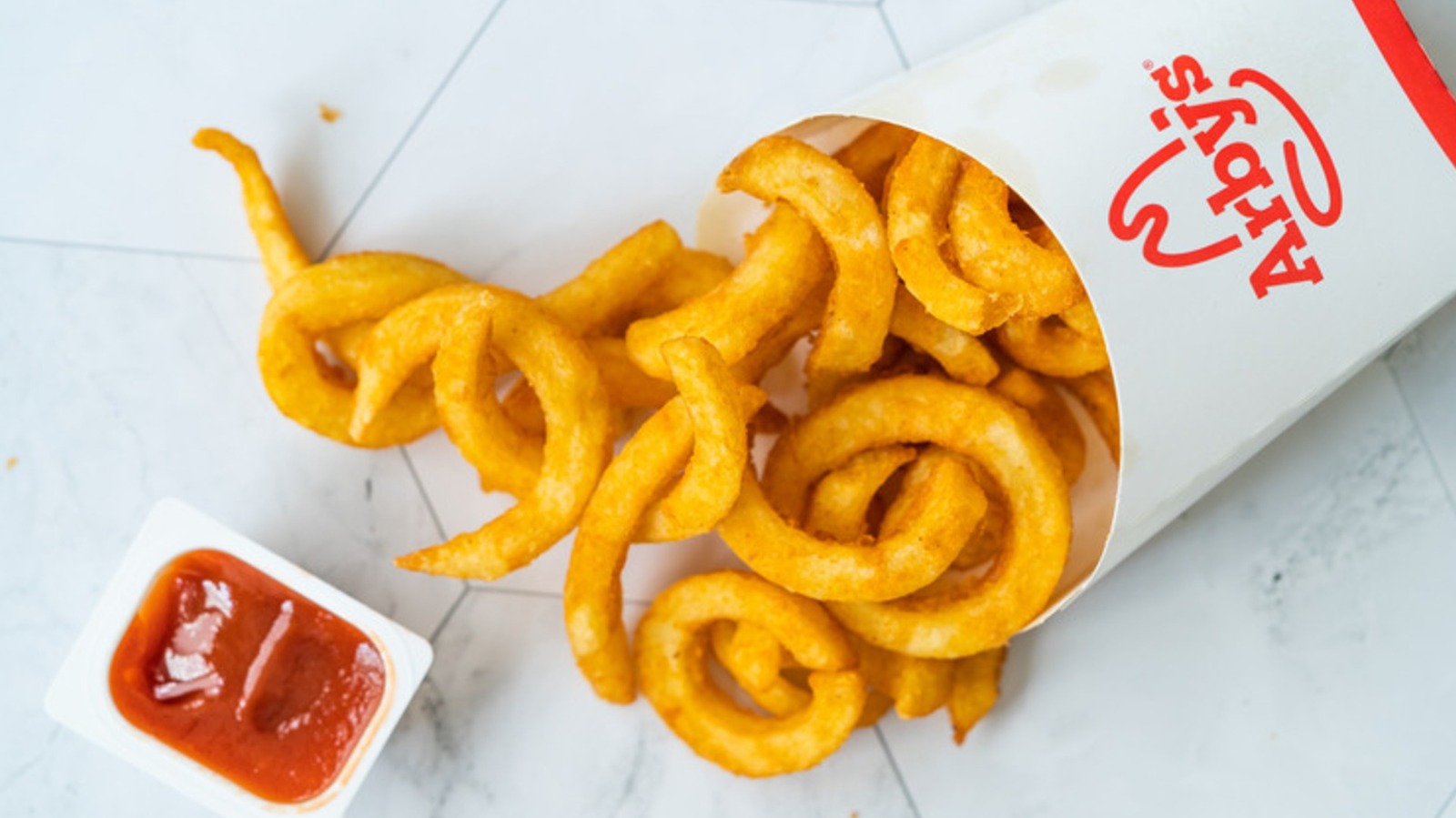
Arby's roast beef sandwiches dominate the menu conversation, but the chain's crispy fries command genuine loyalty among customers. The secret to that texture and flavor sits in the fryer itself.
The fast-casual giant relies on four specific cooking oils to achieve its signature fry profile. This blend strategy allows Arby's to balance taste, shelf stability, and cost efficiency across thousands of locations. Most chains commit to a single oil or perhaps two. Arby's approach reflects deeper thinking about how oils interact during the frying process.
Each oil brings distinct properties to the table. Some provide crispness. Others deliver flavor stability during long service hours. The combination ensures fries taste consistent whether you order at lunch or dinner, whether the oil is fresh or has cycled through several batches.
This multi-oil strategy represents a growing trend among major QSR operators seeking competitive advantage in sides. French fries occupy a peculiar space in fast food. They command lower margins than entrees yet influence customer perception of overall quality. A disappointing fry experience tarnishes the entire meal. An exceptional one keeps people coming back.
Arby's decision to invest in oil formulation hints at how the chain differentiates itself beyond its famous thinly sliced beef. While competitors streamline operations toward single-oil solutions, Arby's maintains more complex production standards. That complexity costs money but pays dividends in customer satisfaction.
The specific oils remain proprietary information, which is standard across the industry. McDonald's guards its blend fiercely. Chick-fil-A protects its formula. For Arby's, the four-oil system appears integral to the brand promise. Customers may not consciously identify the oils, but they taste the result. They taste consistency. They taste intentionality.
This level of detail in execution separates major chains from regional competitors.