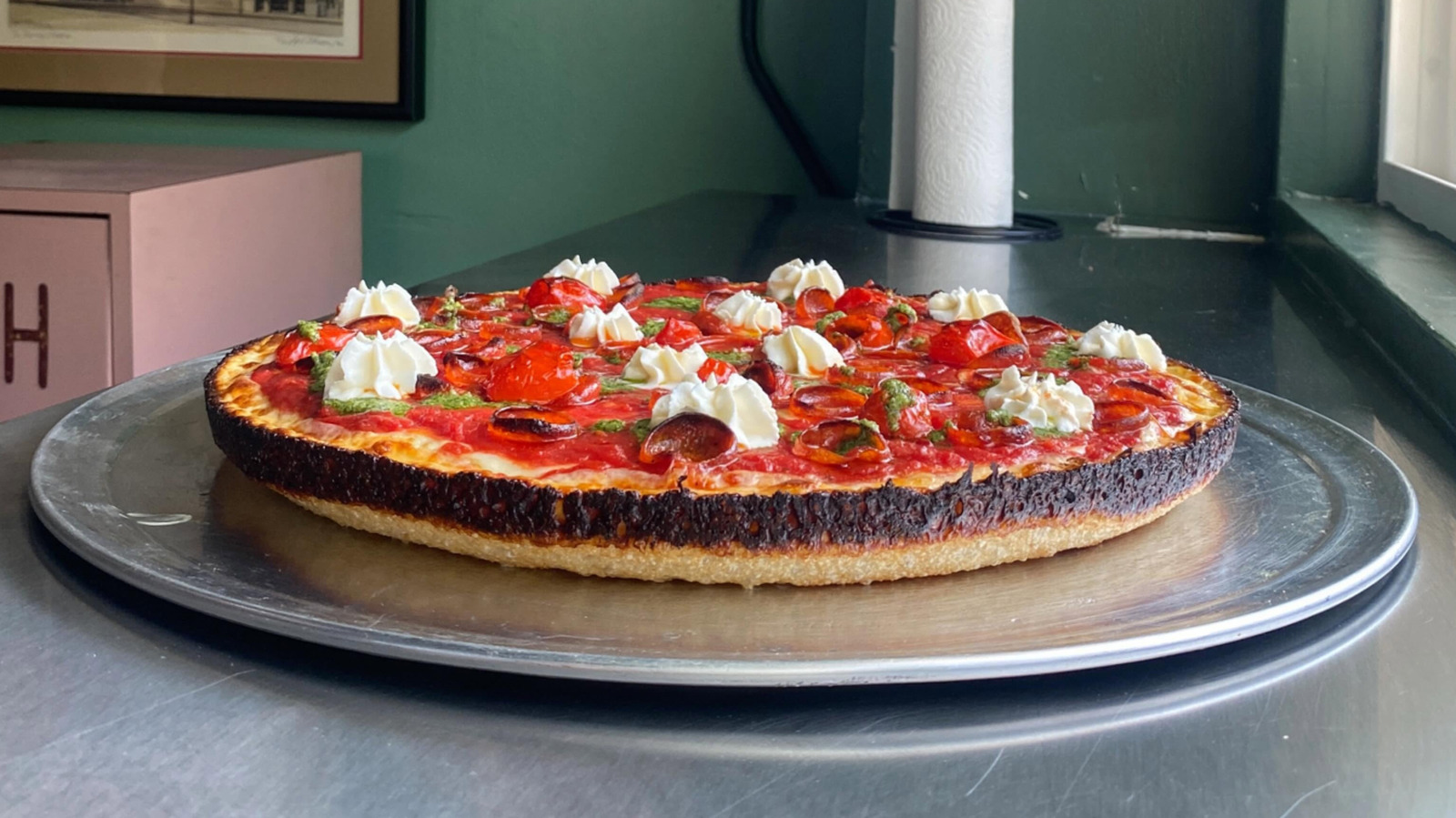
Chicago's pizza scene extends far beyond the iconic deep-dish pies that dominate tourist menus. Pan-style pizza represents a distinct category that sits between tavern-style thin crust and thick, airy deep dish. This rectangular format, baked in cast iron or steel pans, delivers crispy, caramelized edges with a sturdy crust that holds toppings without collapsing.
One Chicago establishment has cracked the code on pan pizza demand, moving inventory so quickly that customers arrive to find the day's batch already spoken for. The restaurant's success reflects a broader shift in how Chicago eats. While deep-dish pizza built the city's reputation in the 1970s and 1980s, locals have long preferred faster, easier formats. Tavern-style thin crust dominates neighborhood joints. Pan pizza occupies the middle ground that appeals to both speed-conscious diners and those seeking textural complexity.
The daily sellouts signal something important about pizza's evolution in Chicago. Consistency matters. The restaurant produces a finite number of pies daily, creating scarcity that drives demand. Each pie emerges from the pan with distinct characteristics. The bottom develops that coveted crunch. The sides crisp up under heat. The cheese and sauce distribute evenly across the rectangular surface.
Pan pizza's success also reflects ingredient quality. Chicago's pizza culture has always demanded superior mozzarella, tomato sauce, and proper fermentation. Pan pizza requires precision because the format exposes every flaw. A thin, underworked dough becomes soggy. Poor cheese distribution leaves dry spots. The pan itself becomes a tool that the baker must master.
This restaurant's daily sellout status tells diners something clear. The pizza tastes worth waiting for. It arrives hot. The crust snaps cleanly. The cheese pulls in distinct strands. The edges deliver the textural