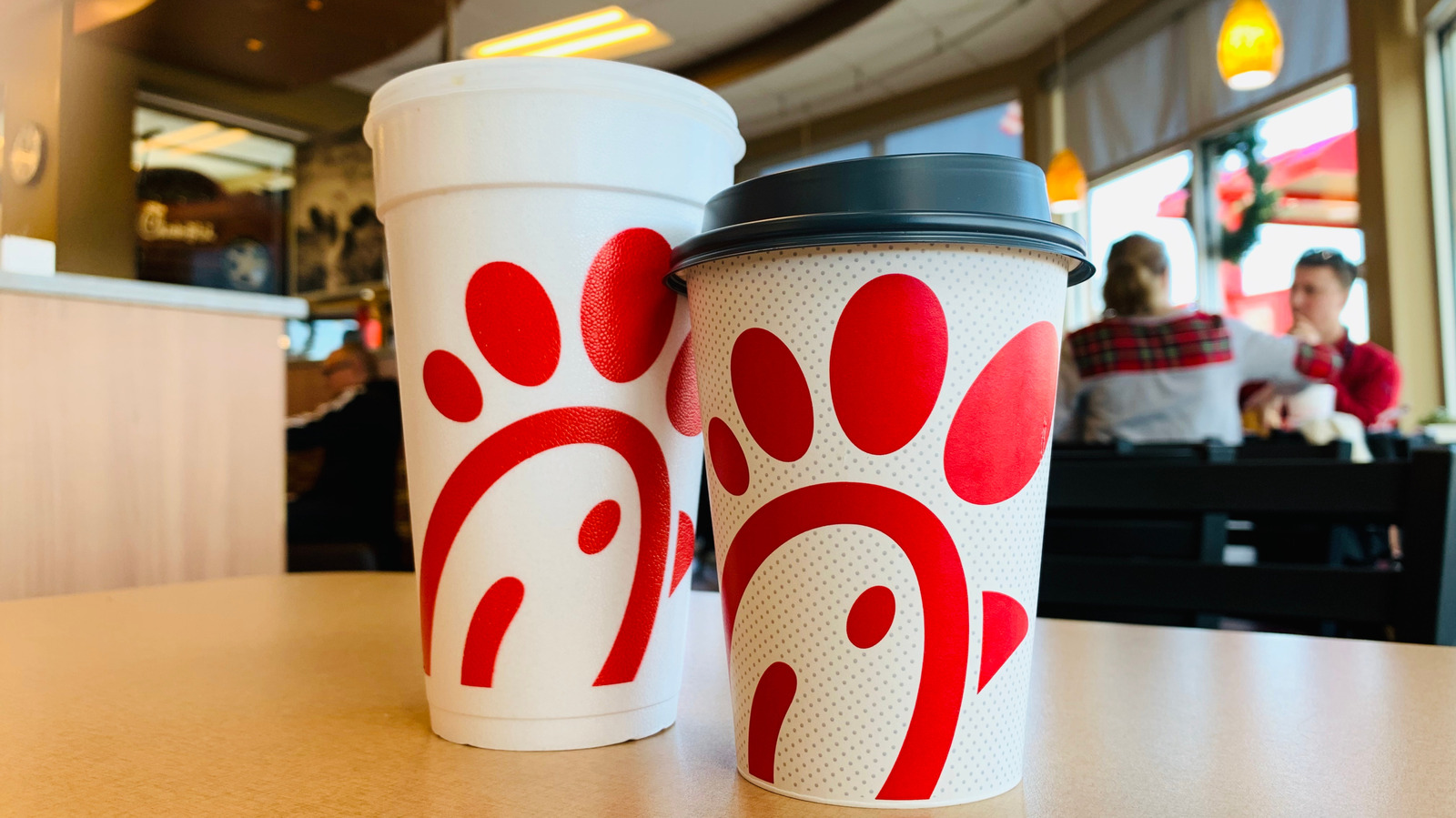
Chick-fil-A's iced coffee divides customers sharply. The chain offers only two coffee formats, hot and iced, yet the cold version attracts polarized feedback from its customer base.
Some patrons praise the beverage for its crisp, clean flavor profile and refreshing temperature. Others criticize it for tasting weak, watered down, or overly diluted. The inconsistency stems partly from Chick-fil-A's brewing and serving methods. The chain brews coffee concentrate that gets poured over ice, a technique that can produce variable results depending on ice melt rates, pour accuracy, and how long the drink sits before consumption.
The chain operates in a crowded cold coffee market. Competitors like Dunkin', McDonald's, and Starbucks have invested heavily in iced coffee formulations, often using pre-chilled concentrate or cold-brew methods to ensure consistency. Chick-fil-A's simpler approach, while cost-effective, leaves little room for quality control.
Customer complaints center on taste dilution as ice melts. Some report the drink tastes fine immediately but becomes unpalatable within minutes. Others find the coffee lacks body and depth compared to rivals' offerings. A portion of reviewers, however, appreciate the lighter taste as suitable for those who prefer milder coffee or want a refreshing caffeine boost without intensity.
Chick-fil-A has maintained limited coffee options compared to quick-service competitors. The chain focuses primarily on chicken sandwiches and signature items rather than building a comprehensive beverage program. This strategy has worked for their core business but leaves iced coffee customers without the attention that category leaders dedicate to cold coffee innovation.
The mixed reviews reflect a broader challenge for chain restaurants entering established markets. Quality consistency matters when customers expect reliability. Chick-fil-A's iced coffee success depends on