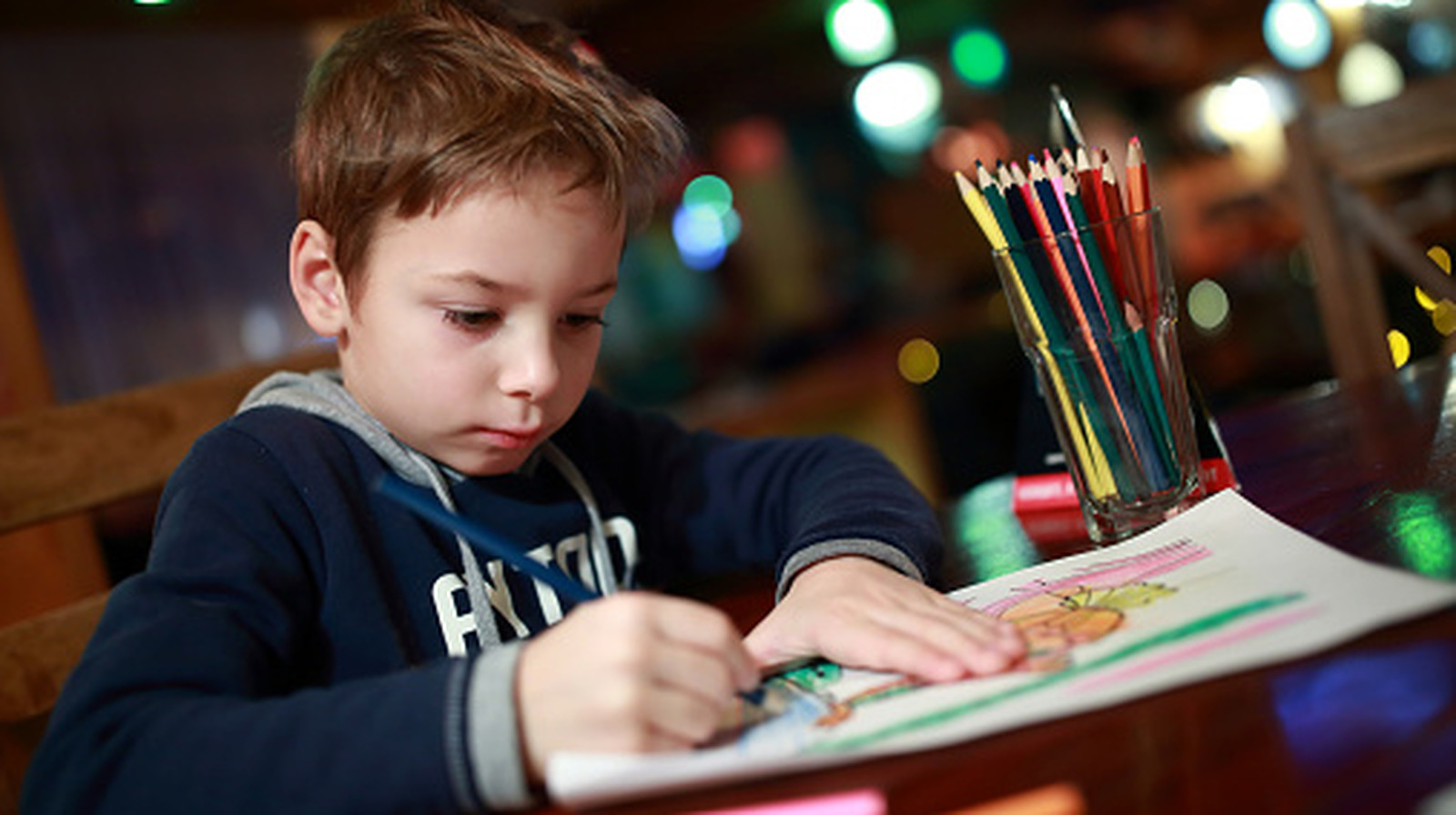
# Drawing Memories at the Table: The Italian Chain That Let Kids Be Artists
Children who grew up in the 1990s remember one Italian restaurant chain for a reason that had nothing to do with the pasta. Paper tablecloths and crayons transformed dinner into an interactive experience. Kids could sketch, doodle, and leave their mark directly on the table while waiting for food to arrive.
This simple concept proved powerful. While parents enjoyed meals, children stayed entertained without screens or separate activities. The paper tablecloths served dual purposes. They protected furniture from spills and stains while giving young diners creative freedom. Restaurants replaced soiled cloths between seatings, making the whole setup practical for high-traffic establishments.
The chain capitalized on a distinctly analog form of entertainment. Before tablets and mobile devices dominated family dining, restaurants competed on experience. A tablecloth that doubled as a canvas differentiated them from competitors. Kids requested to return specifically for the drawing opportunity, driving repeat visits and family loyalty.
This nostalgic touchstone reflects broader shifts in how restaurants engage customers. The 1990s chain prioritized inclusion of children in the dining experience rather than merely tolerating their presence. The paper tablecloths cost little to implement but created memorable moments that extended far beyond that decade.
Today, the concept survives in scattered locations, though many closed as dining habits changed. Some diners and casual restaurants still offer crayons and paper, attempting to recapture that magic. The original chain's simple innovation demonstrates that sometimes the best restaurant experiences stem from the smallest ideas. A sheet of paper and a box of crayons gave kids agency and creativity while their families shared a meal.