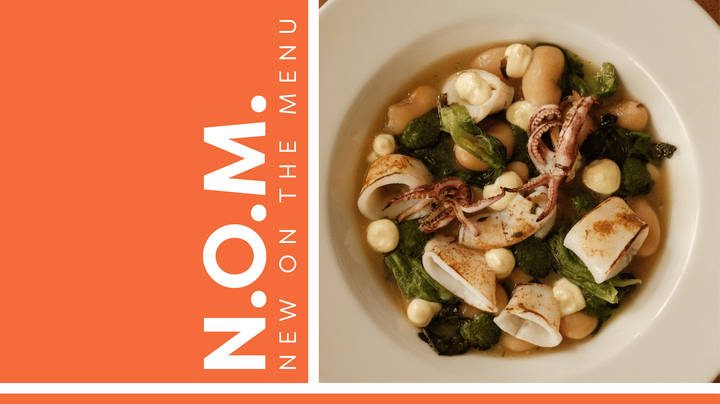
New restaurants are reshaping how diners experience global fusion cooking. Persian short ribs now appear alongside Italian-Korean pasta dishes, signaling a shift toward unexpected ingredient pairings and cross-cultural technique.
Mike Sheerin's latest venture spotlights seasonal squid, a protein gaining momentum among chefs willing to move beyond conventional seafood offerings. Squid delivers briny, tender flesh when sourced fresh and prepared with precision. Sheerin's approach likely emphasizes the ingredient's natural sweetness rather than masking it with heavy sauces.
The fusion between Italian and Korean cuisines reflects broader restaurant trends. Italian pasta-making methods, with their emphasis on texture and sauce adhesion, pair naturally with Korean flavor profiles like gochugaru heat, soy umami, and sesame richness. This combination avoids gimmickry by respecting both traditions simultaneously.
Persian short ribs bring long-braised meat traditions into contemporary dining. The technique demands hours of gentle cooking, often with pomegranate molasses, warm spices like cinnamon and turmeric, and dried fruit for depth. These ribs offer umami-forward comfort while nodding to Middle Eastern culinary heritage.
The inclusion of a Whiskey Sour punch suggests these restaurants embrace bold beverage programs alongside adventurous food. Punch service adds theatre and shareability to the dining experience, moving away from individual cocktail consumption toward collective enjoyment.
These menu developments reveal how chefs now operate without geographic boundaries. Rather than isolating cuisines into themed restaurants, contemporary cooks blend traditions with confidence. Persian, Italian, Korean, and American whiskey traditions coexist on the same menu because technique and flavor matter more than culinary nationalism.
The shift demands sourcing excellence and technical skill. Fresh squid requires proper handling. Persian braises demand patience. Korean-Italian fusion demands fluency in two