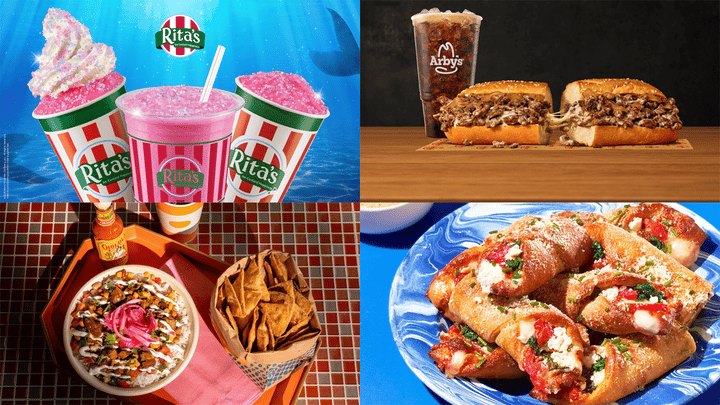
McDonald's, Starbucks, Taco Bell, and a dozen other major chains are launching new menu items this season, signaling how fast-casual and quick-service restaurants compete for customer attention through constant product rotation.
McDonald's introduced a revamped breakfast lineup featuring updated sandwich construction and ingredient sourcing. Starbucks expanded its beverage portfolio with seasonal drinks designed to capture afternoon daypart traffic, moving beyond its core morning coffee customer base. Taco Bell rolled out protein-forward items targeting health-conscious consumers who traditionally avoid the chain.
Arby's leaned into premium sandwiches with smoked meats sourced from regional suppliers, positioning itself against competitors like Chick-fil-A. Dunkin' doubled down on coffee quality and plant-based milk options to retain younger demographics. Outback Steakhouse introduced smaller-portion entrees and lighter appetizers, reflecting diners' shift toward moderation without sacrificing restaurant experiences.
Panera Bread expanded its salad offerings with chef-driven combinations featuring organic greens and house-made dressings. Tropical Smoothie Cafe added protein-packed bowls with açai and quinoa bases, tapping into the health and wellness trend dominating casual dining.
This constant menu refresh reflects restaurant economics. New items generate social media buzz, drive trial among existing customers, and justify premium pricing. Chains launch quarterly to keep menus fresh without alienating loyal diners. The strategy works. Limited-time offerings and new products account for roughly 15 percent of sales at major chains, according to industry data.
What separates winners from losers is execution. Items must photograph well, taste consistent across hundreds of locations, and train kitchen staff quickly. Chains investing in supply chain optimization and test kitchens succeed. Those rushing products to market without proper development fail.
These launches reveal deeper truths about American