# Restaurant Chains Capitalize on World Cup Fever with Limited-Time Promotions
Restaurant chains are flooding the market with World Cup-themed promotions as the tournament captures global attention. Quick-service and casual dining operators recognize the sports event as a prime opportunity to drive foot traffic and boost sales during peak viewing periods.
Major chains have launched region-specific menu items, bundled meal deals, and branded merchandise tied to competing nations. Some establishments offer discounts on appetizers and drinks during match broadcasts, targeting the social dining occasion that major sporting events create. Others partner with delivery platforms to promote World Cup packages, bundling traditional stadium snacks like wings, nachos, and sliders with beverages.
The strategy reflects broader trends in restaurant marketing. Food operators increasingly leverage major sporting events to create urgency and exclusivity around limited-time offerings. These promotions work because they tap into existing customer behavior. People gather at restaurants to watch matches, spend more on beverages, and often make impulse purchases when surrounded by promotional signage and themed packaging.
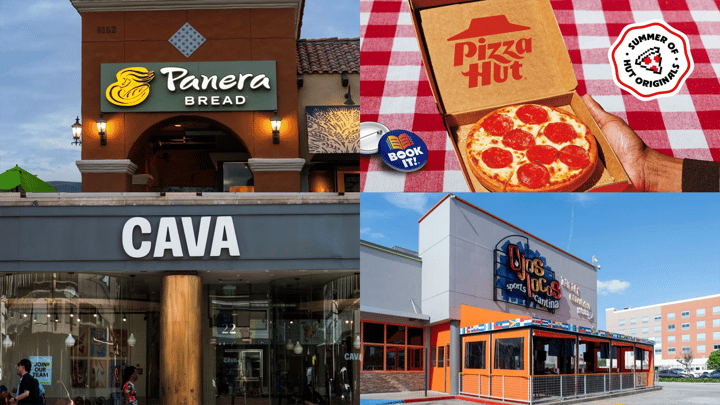
Chains from pizza to burger concepts to casual Mexican restaurants all compete for the same dining occasion. The competition intensifies for locations near sports bars or in markets with passionate fan bases. Successful promotions balance novelty with operational simplicity. Overly complicated menu items strain kitchen staff during high-volume periods, so chains typically focus on straightforward additions that leverage existing infrastructure.
The World Cup promotion cycle demonstrates how restaurants treat major events as merchandising opportunities rather than passive background entertainment. By aligning product development, pricing, and marketing around the tournament, chains capitalize on heightened consumer spending and brand engagement. These campaigns often run four to six weeks, creating multiple promotional waves across group stages, knockouts, and the finals.
The real winners emerge from chains that execute timing well. Early promotions capture initial enthusiasm, while late-tournament offers target viewers already invested in their favorite teams. Success depends