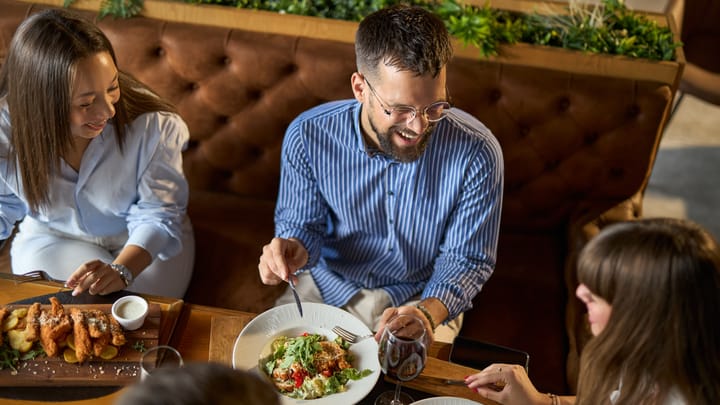
Restaurant operators face a fierce battle for dine-in traffic, and the answer lies far beyond plating techniques and flavor profiles. The dining room itself has become the competitive arena.
Post-pandemic recovery taught operators that customers no longer view restaurants purely as food delivery systems. They arrive seeking experience, ambiance, and social connection. This shift demands operators rethink their physical spaces and service models to justify the premium customers pay for sitting down versus ordering takeout.
Smart operators invest in their dining environments. Thoughtful lighting design, acoustic engineering, and comfortable seating transform generic spaces into destinations. Some restaurants redesign layouts to encourage lingering. Others invest in staff training that prioritizes genuine hospitality over transactional service. These moves cost money but drive repeat visits.
The data backs this focus. Restaurants that upgraded their dining atmospheres report stronger customer loyalty and higher check averages. Diners spend more when they feel valued and comfortable. A well-designed room where servers remember your name beats mediocre food served in an uncomfortable booth.
This strategy extends to technology integration. Tableside ordering tablets, wine pairing apps, and personalized menu displays create moments of delight without replacing human interaction. The best operators blend digital convenience with warmth.
Geography matters too. Urban centers and suburbs see different dining patterns. Casual concepts thrive where atmosphere compensates for simpler menus. Fine dining establishments already excel at experience, but mid-scale operators face the toughest squeeze. They must convince customers that $25-40 per person warrants leaving home.
The pandemic permanently altered expectations. Takeout and delivery lifted margin concerns for some restaurants, but the dine-in channel commands higher per-person spending. Operators cannot afford to neglect it.
Success requires viewing the dining room as product development, not overhead. Restaurants that innovate on experience, not just food, capture market share from competitors still