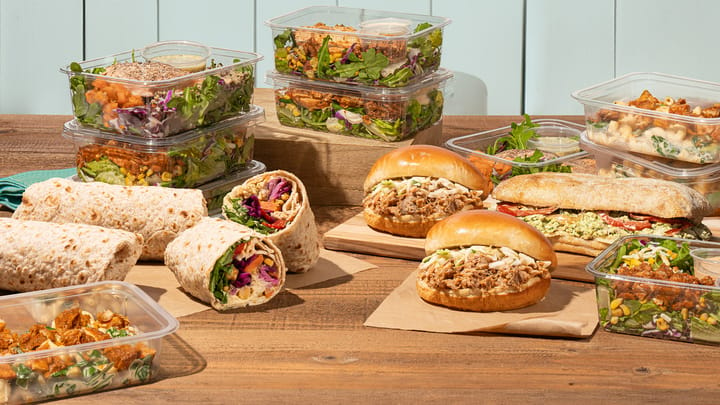
Sam Polk built Everytable on a radical premise: nutritious food doesn't have to cost a fortune. A decade into the experiment, the Los Angeles-based chain operates over 40 locations and remains committed to proving that affordability and health align, not clash.
Polk's model centers on operational efficiency rather than compromise on ingredients. Everytable sources whole grains, lean proteins, and fresh vegetables at scale, then deploys a streamlined production system across its kitchen network. The brand avoids the markup spiral that traps traditional fast-casual concepts. By controlling costs at every stage, from procurement to labor scheduling, Polk maintains margins without inflating menu prices. Most meals land under ten dollars.
The chain targets underserved neighborhoods where food deserts dominate, embedding locations in areas where residents have limited access to nutrient-dense options. This strategy serves both mission and market. Polk recognizes that demand for affordable healthy food runs deep in communities shut out of premium wellness culture.
Everytable's growth trajectory reflects a maturing thesis. Early skeptics questioned whether the model could scale beyond a handful of test kitchens. Ten years later, the 40-plus unit footprint demonstrates sustainability. Recent expansion plans signal confidence in replication. Polk aims to prove that fast food doesn't require sacrifice, and that health-conscious dining reaches beyond affluent zip codes.
The brand competes directly with chains that charge premium prices for better-for-you bowls and salads. Everytable undercuts on price while matching quality. This positioning attracts both budget-conscious health seekers and customers who reject the notion that eating well demands wealth.
Polk's decade-long commitment reflects a broader industry shift. Consumers increasingly demand transparency, nutrition, and accessibility. Chains treating health as luxury face pressure from upstarts willing to reimagine supply chains and production. Everyt