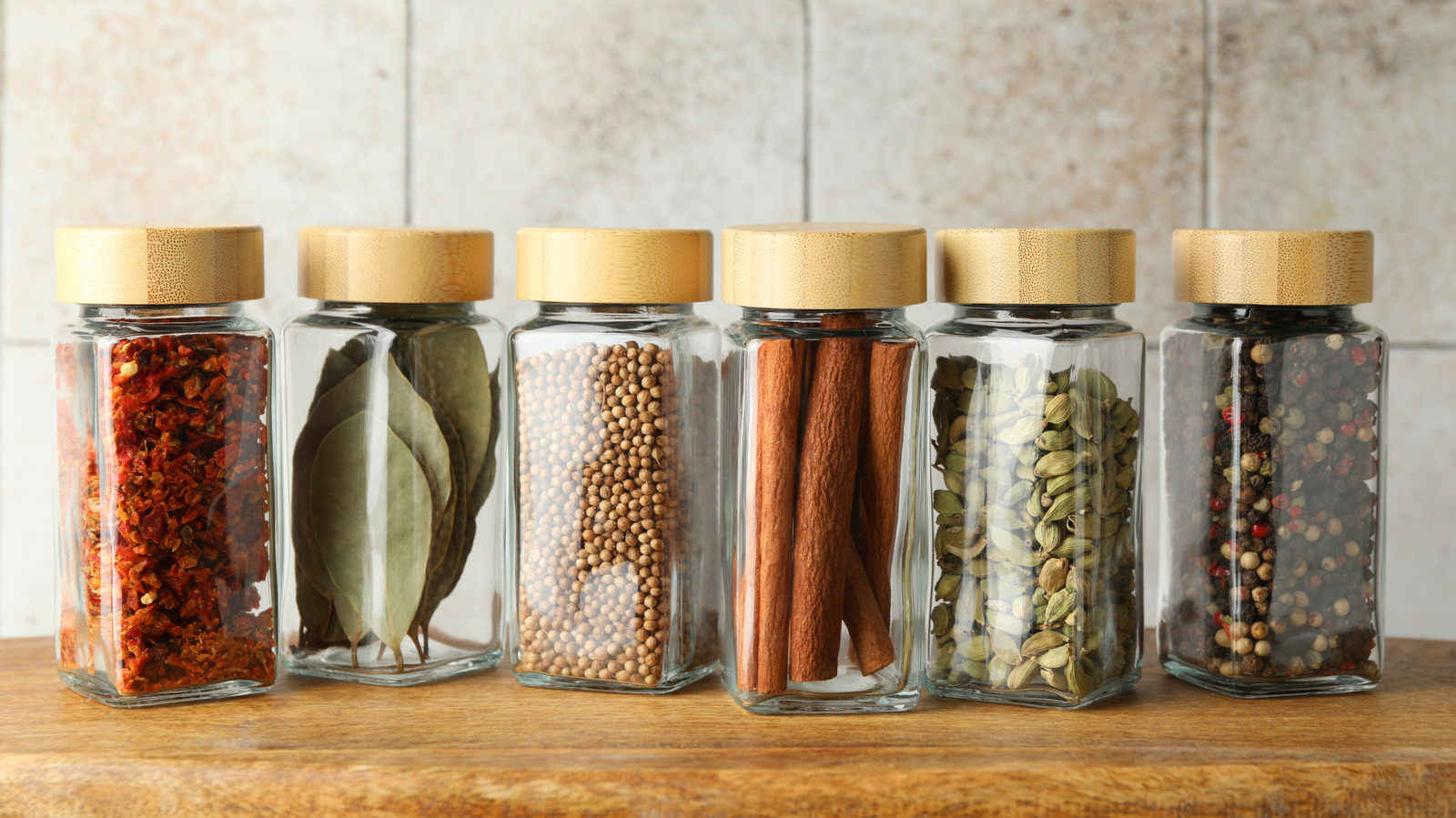
# The Hidden Problems Inside Your Spice Cabinet
Spices line grocery store shelves in neat rows, promising flavor and aroma. What buyers don't always see are the contaminants hiding inside those jars.
Food safety regulators have documented troubling findings in spice supplies across the United States. Salmonella contamination tops the list of bacterial threats. The FDA traces salmonella outbreaks to spices repeatedly, forcing recalls that span black pepper, paprika, cumin, and turmeric. These pathogens survive the drying process used to produce spices, creating a persistent food safety challenge.
Aflatoxins present another serious concern. These toxic compounds develop naturally in spices like chili powder and black pepper when crops face certain moisture and temperature conditions. Aflatoxins are carcinogenic and accumulate in the body over time with repeated consumption.
Heavy metals also contaminate spice supplies. Lead, cadmium, and arsenic appear in measurable quantities in products sourced from regions with contaminated soils. Turmeric, cumin, and coriander show particularly high levels in some batches. There is no safe level of lead exposure, making even small amounts in frequently used seasonings a legitimate health concern.
Storage conditions compound these problems. Moisture and heat accelerate bacterial growth. Insects can infiltrate packages during transport and storage. Once opened, spices stored improperly become vulnerable to additional contamination.
The supply chain lacks consistency in testing and enforcement. While regulations exist, spotty implementation means contaminated products reach consumers before detection. Spices imported from countries with less rigorous food safety oversight carry higher risk.
Smart shopping helps reduce exposure. Buy spices in smaller quantities and store them in airtight containers in cool, dark places. Select reputable brands with transparent sourcing practices. Consider organic certifications as one marker of