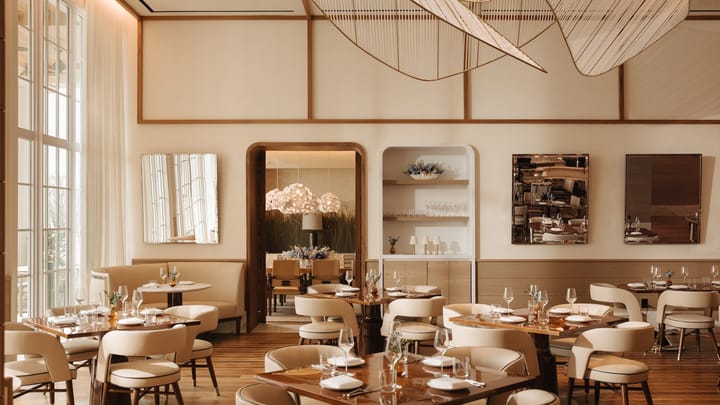
Chef Nick Dugan launches The Crossing at the newly opened Cooper hotel in Charleston, South Carolina, positioning the restaurant as a Mediterranean-focused destination on the waterfront. Dugan's menu merges coastal European cooking with ingredients sourced from the Lowcountry, capitalizing on Charleston's reputation as a hub for ingredient-driven cuisine.
The restaurant arrives as Charleston continues its evolution as a fine dining destination. The city has spent two decades establishing itself beyond its seafood traditions, with chefs like Sean Brock and Mashama Bailey elevating regional cooking through technique and narrative. Dugan's approach fits this trajectory. Mediterranean cuisine thrives on the same philosophy that drives Charleston's best restaurants: respect for raw materials and direct flavor.
The Cooper hotel represents a broader investment in Charleston's waterfront hospitality sector. Hotels have increasingly partnered with acclaimed chefs to anchor their dining programs, recognizing that restaurant reputation drives bookings. The Crossing enters a competitive field that includes acclaimed spots like Bowral and The Ordinary, both drawing locals and travelers seeking serious cooking.
Dugan's background suggests he understands both Mediterranean traditions and American ingredient sourcing. His menu likely emphasizes olive oil, fresh seafood, and seasonal vegetables. In Charleston's hands, this means flounder and shrimp replacing Mediterranean sea bream, local greens substituting for southern European varieties. This localization strategy works because Mediterranean cooking's flexibility allows genuine ingredient swapping without losing its essential character.
The timing matters. Post-pandemic restaurant investment has slowed nationally, yet Charleston continues attracting capital and chef talent. The city's tourism infrastructure and growing resident population support multiple high-end restaurants. The Crossing opens into demand rather than speculation.
For diners, Dugan's restaurant offers Mediterranean cooking without the typical Charleston seafood focus. For the Cooper, it provides a culinary anchor that justifies the hotel's waterfront