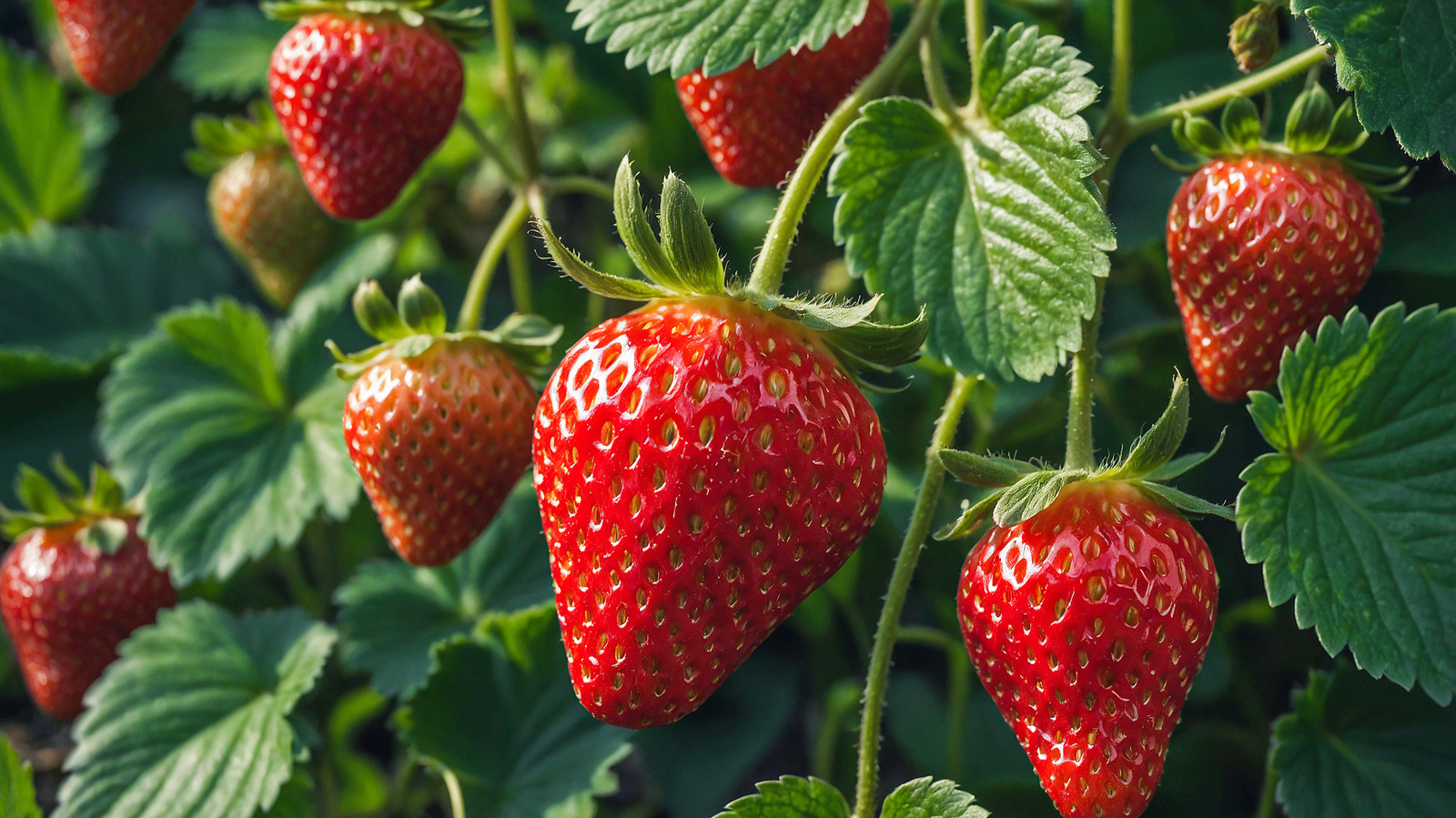
# The Best Garden Partners for Growing Strawberries
Strawberries thrive when surrounded by the right companion plants. Strategic planting boosts growth, deters pests, and maximizes yield without requiring chemical intervention.
Companion planting works by leveraging natural relationships between plants. Certain species repel harmful insects, improve soil quality, or provide structural support. For strawberry growers, selecting the right neighbors transforms productivity.
Borage attracts pollinators like bees to strawberry flowers, increasing fruit set. The plant's hairy leaves also deter slugs and worms that damage berries. Thyme offers similar benefits while adding culinary value to the garden. Its low growth habit prevents shading strawberry plants.
Lettuce and spinach serve double duty as ground covers, suppressing weeds that compete for nutrients and water. These leafy greens won't overshadow strawberries and can be harvested independently, making them efficient space-sharers.
Garlic and onions repel spider mites and other common strawberry pests through their sulfur compounds. Planted at the perimeter of strawberry beds, they create a protective barrier without interfering with berry development.
Marigolds brighten the garden while their strong scent confuses aphids and whiteflies seeking strawberry plants. The flowers also draw beneficial insects that prey on garden pests.
Proper companion planting reduces reliance on synthetic pesticides and fertilizers. Home gardeners save money while producing cleaner fruit. Commercial operations increasingly adopt these techniques as consumers demand sustainably grown produce.
The spacing and timing matter. Plant companions early spring, before strawberries establish dominance. Ensure strawberries receive adequate sunlight, typically six to eight hours daily, regardless of companions selected.
Smart gardeners rotate companion plants yearly to prevent nutrient depletion and pest buil