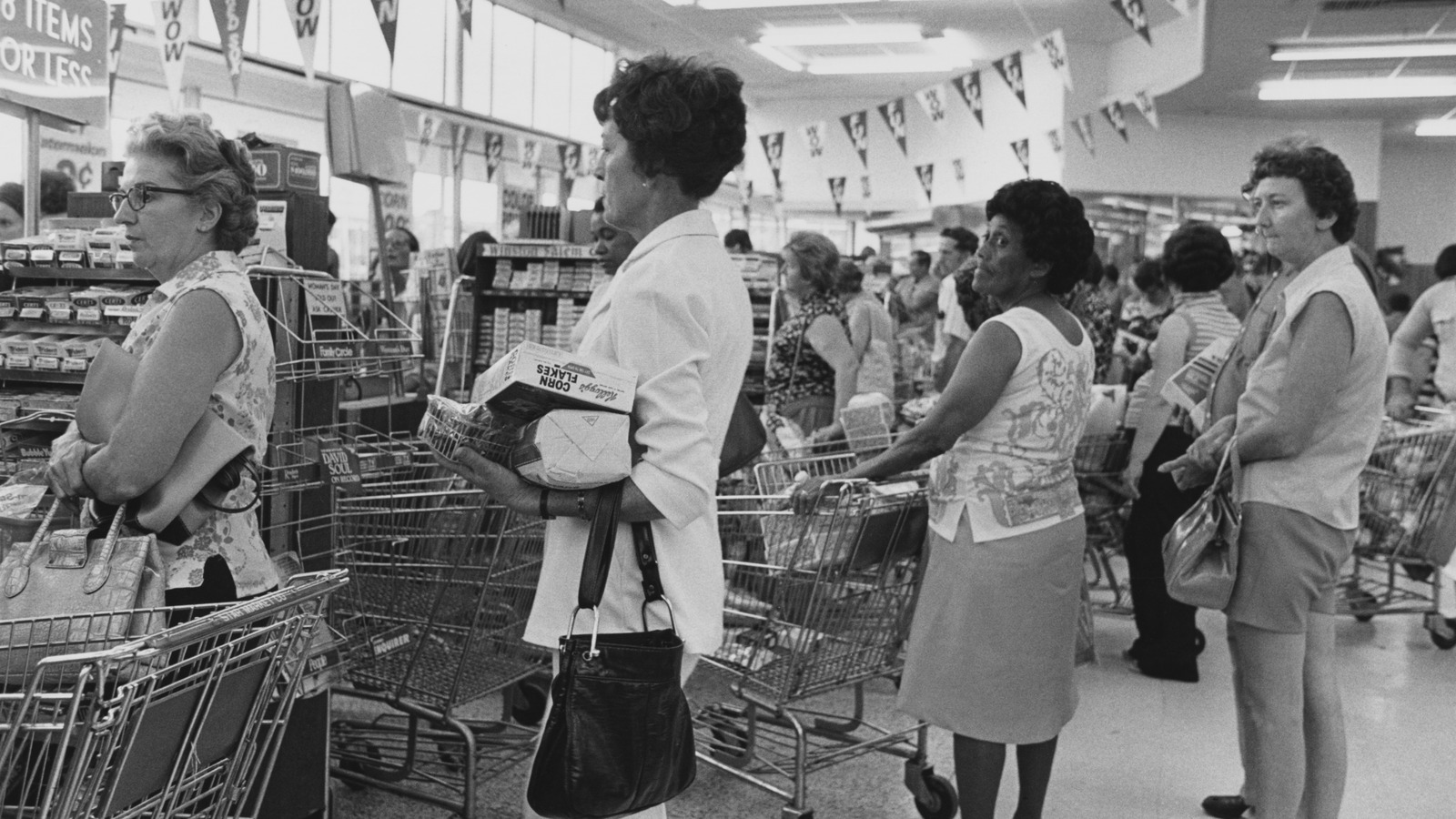
Grocery stores of the 1970s operated in a fundamentally different retail landscape than today. Shoppers encountered sparse produce sections with limited variety, shelves stocked with processed foods that dominated American diets, and checkout lines that moved at a slower pace without barcode scanning technology. The aesthetic was utilitarian. Fluorescent lighting cast a harsh glow over linoleum floors. Prices were handwritten on signs or products themselves.
The selection reflected agricultural constraints and distribution limitations of the era. Fresh produce appeared seasonally, not year-round. Exotic ingredients simply didn't exist in most American supermarkets. Frozen dinners, canned vegetables, and packaged meals formed the backbone of weekly shopping trips. Advertising pushed convenience over nutrition. The typical household bought what was available, not what they preferred.
Store layouts differed dramatically. Dairy cases occupied smaller footprints. Health food sections were nonexistent. Organic produce wouldn't become a supermarket staple for decades. Customers often spoke directly with butchers and produce managers rather than selecting pre-packaged meat or bagged salads.
Shopping itself took longer without modern conveniences. Customers navigated narrower aisles, selected from handwritten inventory lists, and waited through manual price checks at registers. Store hours were restrictive. Many closed by 9 p.m. Weekend shopping became a ritual, not a convenience.
The 1970s grocery store reflects an America with different economic priorities and technological constraints. Suburban supermarkets were still relatively new innovations. The centralized shopping mall model hadn't fully solidified. Local butchers and produce stands still competed with chain stores.
Contemporary grocery shopping feels infinite by comparison. Open 24 hours. Global produce available in January. Barcode scanning. Self-checkout. Organic sections. International aisles. Prepared food counters. The transition happened gradually, but