# Casual Dining Fights Back With Service Redesigns and Menu Ambition
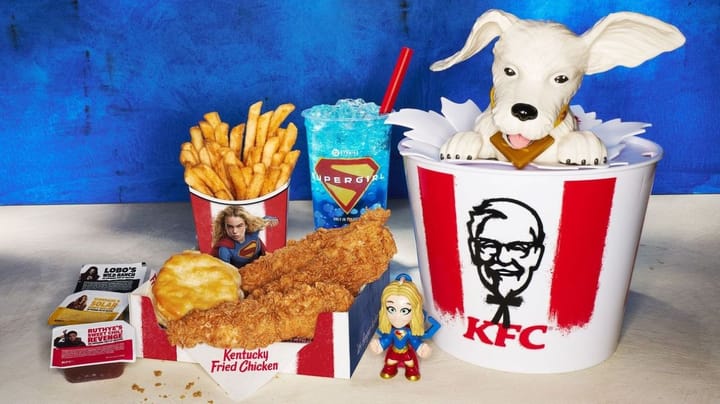
Casual dining chains are reshaping their operations to recapture lost ground. Cracker Barrel's resurgence focuses on operational efficiency and customer experience refinement, while KFC pushes into table service—a departure from its fast-casual roots that signals confidence in full-service profitability.
The shift reflects a broader industry pattern. Chains recognize that speed alone no longer wins. Guests now expect quality interaction alongside convenience, and restaurants that deliver both gain loyalty.
KFC's table service expansion matters because it targets higher check averages. The model requires training adjustments and kitchen workflow changes, but the brand believes the investment pays. Servers upsell sides, beverages, and desserts. Diners linger longer. The economics work if execution nails timing and food quality.
Cracker Barrel's clawback strategy emphasizes what it does best. The chain built loyalty through comfort food and folksy Americana, then stumbled on operational inconsistency. Tightening supply chains, standardizing recipes, and improving staff training restore confidence. The brand's survival depends on reminding customers why they loved it in the first place.
Menu innovation threads through both stories. Culver's head of culinary Kasey McDonald represents the new casual-dining playbook. Rather than chasing trends, McDonald develops dishes that honor restaurant identity while offering novelty. This approach works because it builds customer excitement without alienating traditionalists who order the same burger every visit.
The industry lesson is clear. Casual dining survives by becoming intentional. Chain restaurants compete not through lowest price or fastest service, but through distinctive food, reliable execution, and genuine hospitality. These qualities require investment in training, ingredient sourcing, and kitchen leadership.
KFC's table service gamble and Cracker Barrel