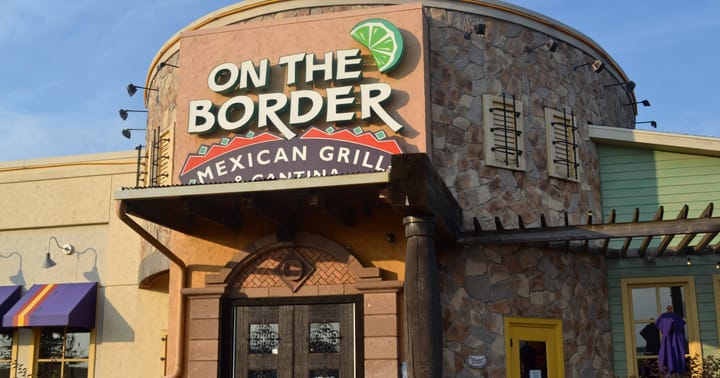
On the Border Mexican Grill closed its corporate restaurant locations, completing a dramatic collapse just one year after the chain emerged from bankruptcy protection. The casual-dining brand, once a fixture in American Mexican food, ceased operations across most of its footprint as financial pressures proved unsustainable even after restructuring.
The closure marks the end of a significant chapter in casual dining. On the Border had built its reputation on made-to-order Mexican fare and margaritas, positioning itself as an affordable alternative to full-service dining while offering more consistency than quick-service competitors. The brand maintained relevance through the 2000s and 2010s by leaning into customization and fresh ingredients, a strategy that worked until broader industry headwinds accelerated its decline.
Bankruptcy filings among restaurant chains accelerated during the pandemic and beyond as labor costs climbed, supply chain disruptions squeezed margins, and consumer spending shifted toward fast-casual and delivery models. On the Border struggled to compete against both high-end Mexican establishments elevating regional cuisines and fast-casual concepts offering speed and value. Franchisees may continue operating under the brand name, but the corporate restaurant infrastructure that once defined the chain's identity has effectively dissolved.
The failure reflects changing consumer behavior. Younger diners increasingly choose fast-casual restaurants like Chipotle or Qdoba that offer customization with lower prices and faster service. Meanwhile, diners seeking elevated Mexican cuisine turned to independent restaurants featuring regional specialties and chef-driven menus. On the Border occupied an increasingly narrow middle ground.
The closure also highlights the precarity of casual-dining chains dependent on consistent foot traffic and moderate price points. As real estate costs, labor expenses, and consumer expectations shifted, the traditional casual-dining model proved vulnerable. On the Border's exit from the market removes another recognizable brand from American restaurant landscapes, a casualty of structural changes in how