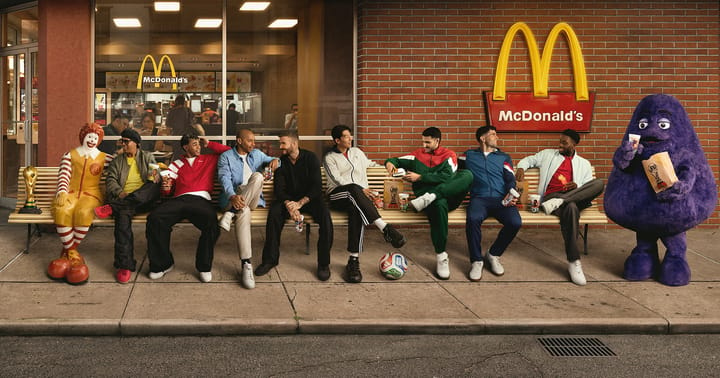
McDonald's is reshaping its business playbook through aggressive marketing tied to major sporting events while testing creative pricing strategies to combat inflation pressures. The fast food giant leverages World Cup momentum to drive traffic and brand visibility during peak consumer engagement periods, a tactic that mirrors how other quick-service restaurants capitalize on cultural moments.
Simultaneously, McDonald's explores pricing innovations beyond simple menu hikes. The chain experiments with value positioning and dynamic pricing structures designed to retain price-sensitive customers without sacrificing margins. This balancing act reflects broader industry challenges: consumers resist higher prices, yet operators face persistent wage and commodity inflation.
The strategy reveals how mega-chains think about growth post-pandemic. Rather than compete purely on price or menu innovation, McDonald's doubles down on occasions and lifestyle associations. World Cup marketing transforms the brand from hamburger vendor into cultural participant, reaching audiences beyond traditional meal times.
Logan's Roadhouse takes a different approach, testing THC-infused beverages in select markets. The move positions the casual dining chain at the intersection of cannabis legalization and hospitality. As states expand cannabis regulations, restaurant operators test customer appetite for these products. Logan's test signals confidence in this demographic overlap, though regulatory uncertainty remains.
These moves highlight divergent strategies within the restaurant industry. McDonald's pursues scale through event marketing and pricing sophistication. Logan's bets on product innovation and emerging consumer categories. Both chase growth in an environment where customer acquisition costs rise and discretionary spending fluctuates.
The pricing question cuts deepest. Consumers have shown fatigue with menu inflation, yet restaurants cannot absorb costs indefinitely. Creative pricing, loyalty programs, and strategic promotions become essential tools. McDonald's approach suggests that value perception matters as much as actual price points, particularly when tied to cultural events and experiences.
These experiments collectively shape how restaurants adapt to 2024 economic conditions. Success depends on reading consumer sentiment accurately and executing tactics that