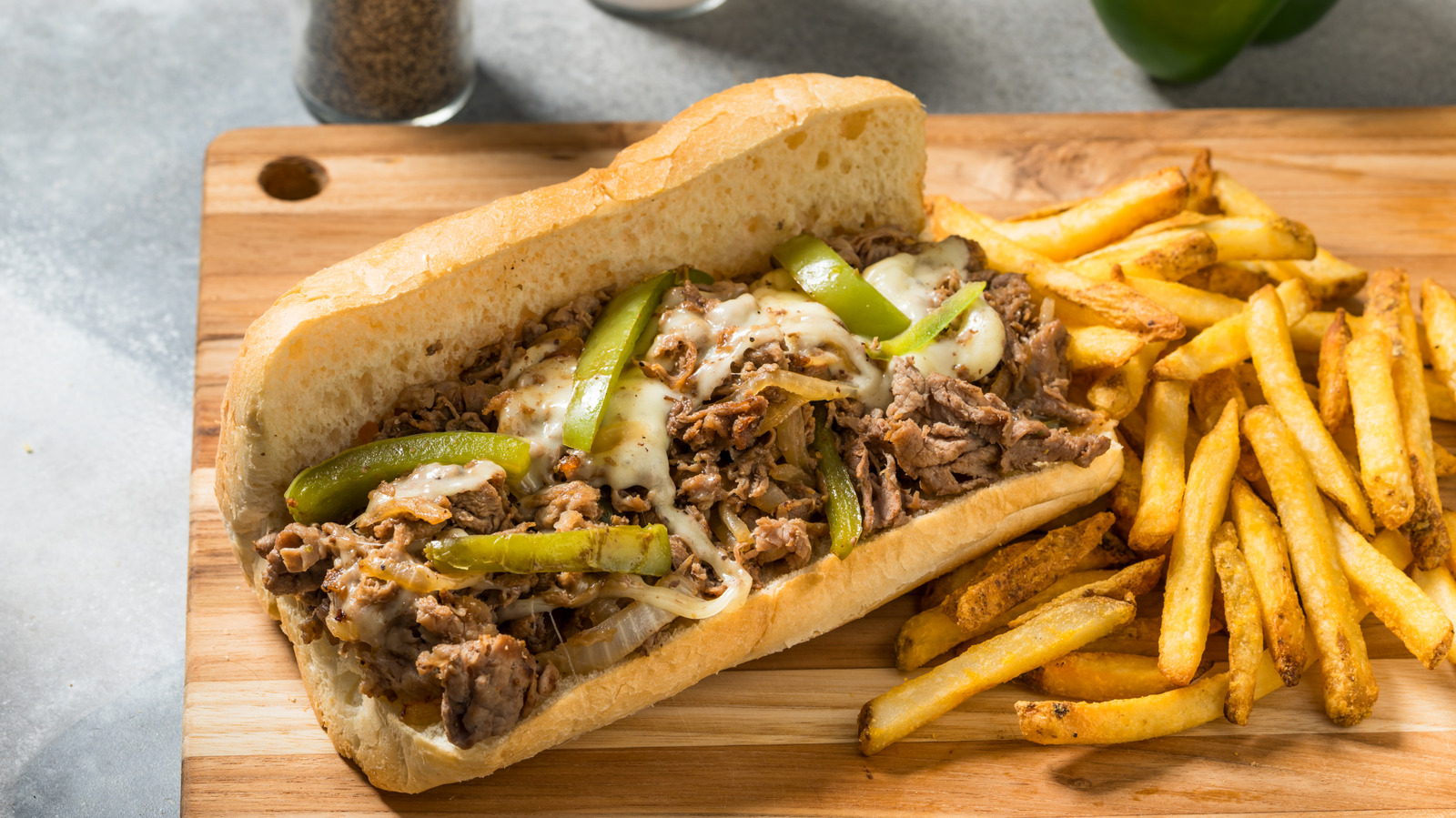
The cheesesteak stands as Philadelphia's most iconic sandwich, yet home cooks consistently stumble on basic technique. Getting one right requires precision across every step, from meat selection through final assembly.
The first mistake involves buying pre-sliced beef. Cheesesteak requires thin-shaved meat that cooks quickly and develops the proper texture. Pre-sliced versions sit too thick and won't achieve the ideal sear. Purchase a ribeye or sirloin and ask your butcher to slice it paper-thin, or freeze the meat for two hours and slice it yourself with a sharp knife.
Skipping a hot griddle ranks equally costly. The cooking surface needs serious heat to caramelize the meat's exterior while maintaining a tender interior. A cold or lukewarm griddle yields rubbery, gray meat instead of the browned, flavorful result authentic cheesesteaks deliver.
Overcrowding the pan prevents proper browning. Cook the meat in batches, giving it space to sear rather than steam. This allows the Maillard reaction to happen, building the complex flavors that separate good cheesesteaks from mediocre ones.
Cheese selection matters more than many assume. Provolone provides the traditional sharp flavor, while American cheese melts smoother. Whiz, the Philadelphia standard, creates that iconic melty consistency. Avoid pre-shredded varieties, which contain anti-caking agents that prevent smooth melting.
Timing the cheese addition proves critical. Add it only when the meat has finished cooking and crowded together on the griddle. The residual heat will melt it properly without burning.
The bread deserves respect too. Use a proper Italian hoagie roll with a crispy exterior and soft interior. Stale or flimsy rolls collapse under the sandwich's weight. Toast it lightly for structure.