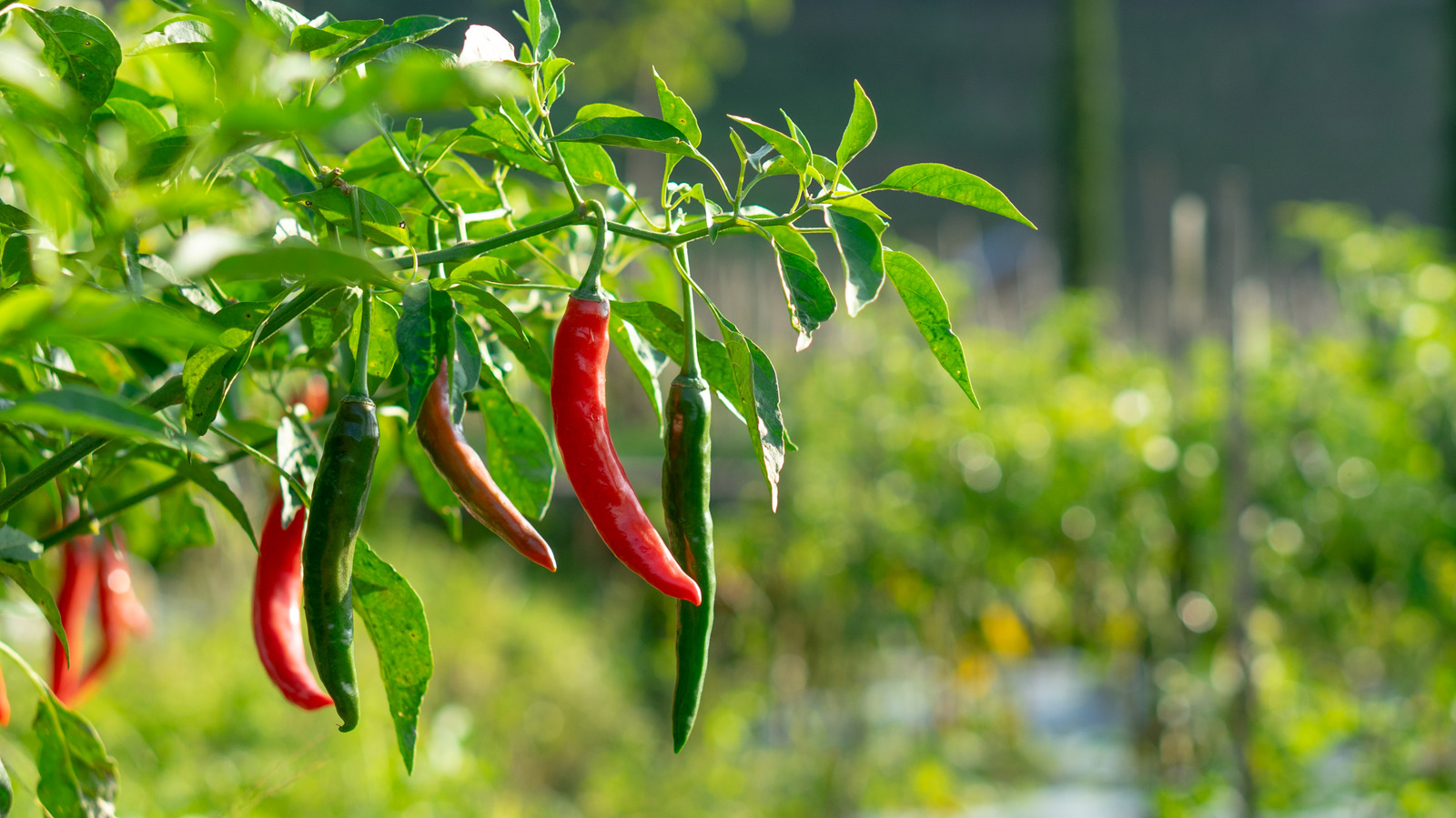
New Mexico dominates American chile pepper production with overwhelming market control. The state supplies approximately 77% of all chile grown in the United States, a commanding share that reflects both geography and agricultural tradition.
The state's success stems from ideal growing conditions. New Mexico's high altitude, dry climate, and mineral-rich soil create perfect conditions for chile cultivation. The Rio Grande valley provides irrigation infrastructure developed over centuries. These advantages transformed chile from a regional ingredient into a national commodity.
New Mexico's chile varieties carry protected status. Hatch chile, grown in the state's southern region, became synonymous with quality and flavor depth. The peppers range from mild to blazing heat levels, appealing to diverse palates. Local farmers harvest during late summer and early fall, timing that concentrates sugars and intensifies heat.
The economic impact extends beyond farms. Processing facilities, restaurants, and retailers throughout New Mexico depend on chile commerce. The crop generates hundreds of millions in annual revenue. Small family operations compete alongside large agricultural corporations, creating a complex market ecosystem.
National demand continues climbing. American chefs embrace chile in contemporary cuisine, moving beyond traditional Mexican and Southwestern applications. Fine dining establishments feature New Mexico chiles as signature ingredients. Home cooks purchase both fresh peppers and processed products year-round.
Other states produce peppers, but none approach New Mexico's volume or reputation. California, Arizona, and Texas grow smaller quantities, yet New Mexico's 77% share remains virtually unchallenged. This concentration means supply chain disruptions, weather events, or agricultural policy changes affect national food systems significantly.
The state's dominance reflects historical cultivation patterns dating back centuries. Indigenous peoples, Spanish colonizers, and Anglo settlers all contributed to establishing chile as central to regional identity. Today that heritage translates into economic power and cultural influence over American eating habits.