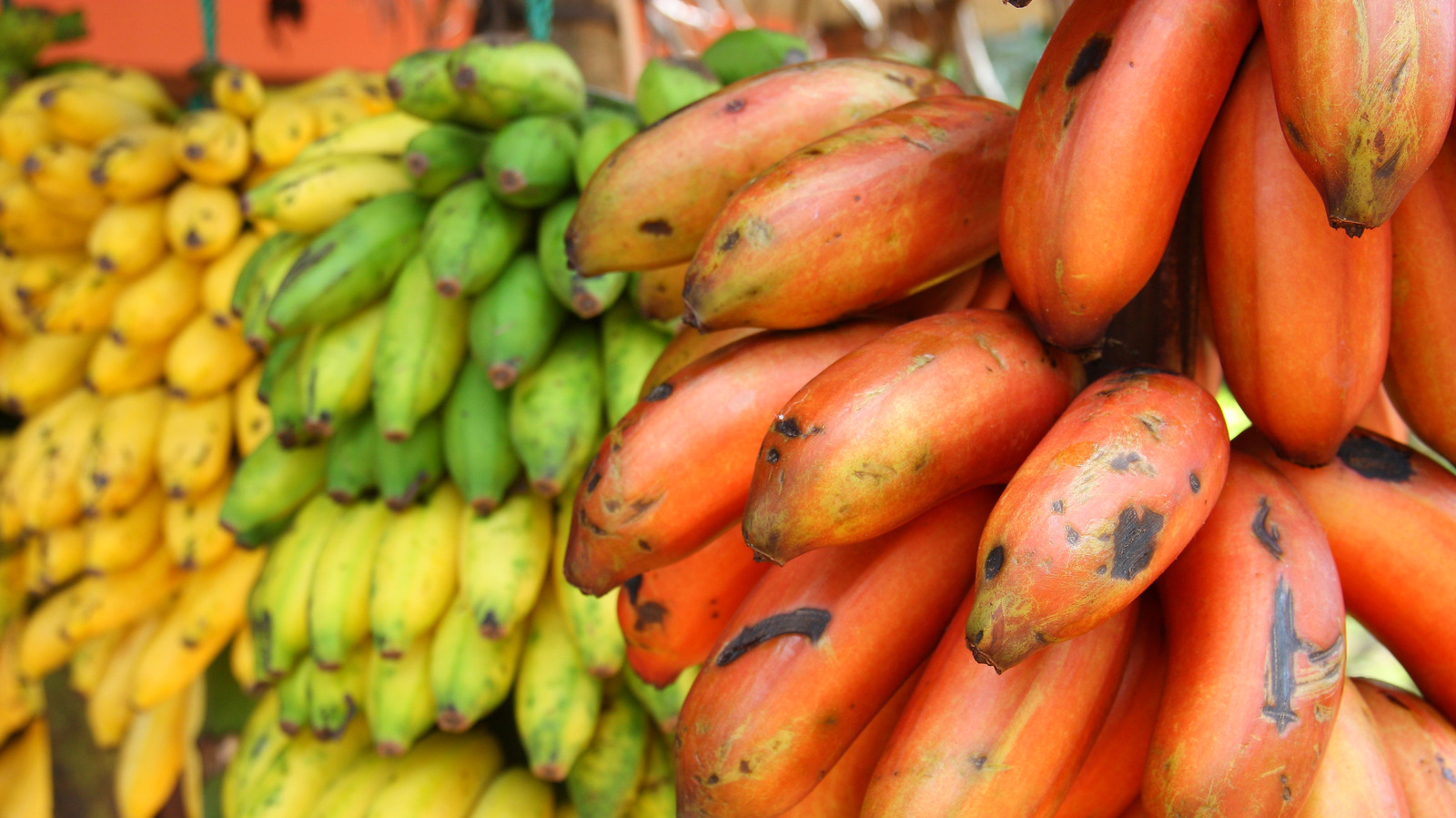
Yellow bananas dominate the potassium stakes. A medium yellow banana packs roughly 422 milligrams of potassium, while a red banana of similar size delivers around 358 milligrams. That's a meaningful difference for anyone tracking mineral intake.
The gap comes down to ripeness and variety. Yellow bananas, the Cavendish variety most common in supermarkets, reach peak potassium levels at full maturity when their peels turn bright yellow with minimal green. Red bananas, a shorter, stubbier cultivar popular in Central America and Southeast Asia, contain less potassium by nature. Their sweeter, creamier flesh and lower fiber content reflect a different nutrient profile entirely.
Ripeness matters too. Both varieties increase potassium concentration as they mature. An overripe yellow banana with brown spotting contains even more potassium than a green-tinged one. The starches convert to sugars, and mineral density rises accordingly.
Red bananas bring their own advantages despite the potassium deficit. They contain higher levels of antioxidants and vitamin C compared to their yellow cousins. For potassium seekers, though, yellow bananas remain the superior choice.
A person needing 3,500 to 4,700 milligrams of daily potassium gets a meaningful boost from yellow fruit. One medium yellow banana covers roughly 12 percent of the recommended daily intake. Red bananas contribute less, making them a secondary source unless consumed in larger quantities.
The takeaway for shoppers is straightforward. If potassium intake drives your banana selection, reach for yellow varieties at peak ripeness. Those with brown spots signal maximum mineral value. Red bananas work better for those prioritizing taste, texture, or antioxidant content over potassium density.