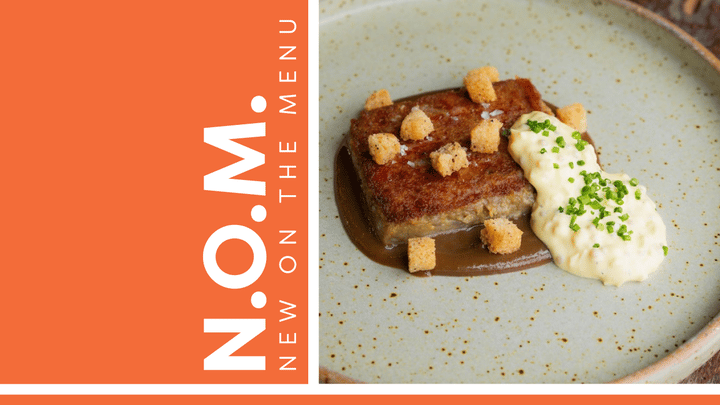
Chefs across the country are reimagining classic comfort dishes through creative reinterpretation. A scotch egg variation appears on menus alongside modern takes on pan con tomate, the Spanish tomato-and-bread staple, while scrapple enters fine dining spaces where it previously lived only in breakfast diners.
The trend reflects a broader culinary movement. Chefs respect tradition but refuse to be bound by it. They deconstruct familiar flavors and rebuild them with precision plating and unexpected ingredients.
A pork belly with clams pairing demonstrates this approach. The combination merges surf and turf through complementary umami profiles. Clams bring briny minerality. Pork belly contributes richness and smoke. Together, they create tension that excites the palate.
Cocktail culture intersects with food trends too. A Martini-spritz mashup blends the dry sophistication of the classic gin drink with the refreshing, lower-alcohol appeal of an Aperol spritz. This hybrid reflects how diners want drinks that feel both familiar and novel.
Scotch eggs, pan con tomate, and scrapple share something important. They represent working-class food origins. A scotch egg emerged from British charcuterie traditions. Pan con tomate sustained Spanish laborers for generations. Scrapple used every part of the pig, born from necessity in Pennsylvania Dutch country.
When chefs elevate these dishes, they signal respect for culinary heritage while asserting their own vision. The reimagined scotch egg might feature heritage pork, quail eggs, or house-made spice blends. Pan con tomate could incorporate tomato water, crispy bread chips, or anchovy foam. Scrapple moves from cast-iron skillet onto white plates with proper garnish.
This movement matters beyond plating aesthet