Chick-fil-A expanded into Miami's delivery-only market with a ghost kitchen that operates without a physical dining room. The fast-casual chain channels orders through third-party platforms like DoorDash, Uber Eats, and Grubhub rather than walk-in customers.
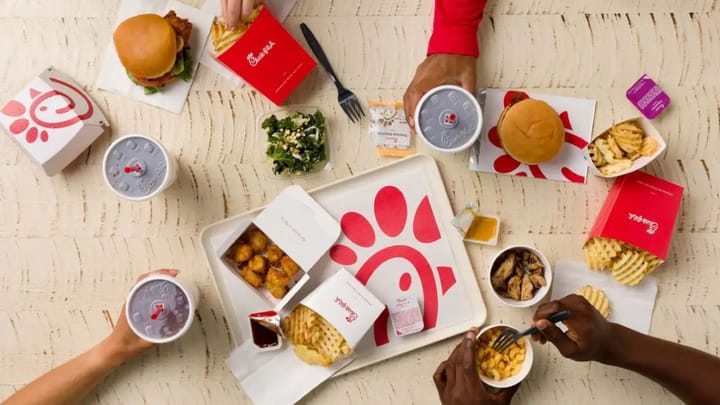
The Miami ghost kitchen keeps Chick-fil-A's core menu intact. Customers order the signature chicken sandwich, waffle fries, and beverages through app-based services for delivery to their homes or offices. This model eliminates front-of-house staffing and real estate costs tied to traditional restaurants.
Ghost kitchens have become standard strategy for restaurant chains testing new markets or densifying delivery coverage in urban areas. Chick-fil-A's move signals confidence that Miami's delivery infrastructure and customer base support the model. The company operates hundreds of traditional locations nationwide but uses ghost kitchens to reach customers who prefer convenience over sitting down.
Third-party delivery platforms take a commission, typically 15 to 30 percent, on each order. Chick-fil-A accepts this trade for immediate market penetration without the overhead of buildout and staffing a full restaurant. The ghost kitchen approach also limits brand dilution since Chick-fil-A serves the exact products customers expect.
Miami's competitive delivery market includes countless independent restaurants, regional chains, and major fast-casual operators already saturated on aggregator apps. Chick-fil-A's entry adds supply to meet existing demand rather than creating new demand. The company's established brand recognition and loyal customer base give it advantages over smaller competitors fighting for visibility.
This expansion reflects broader consolidation in delivery. Major restaurant chains now view ghost kitchens as essential infrastructure rather than experimental ventures. They generate revenue during off-peak hours, serve customers who avoid traditional locations, and provide data on regional preferences without risking capital