Fast-casual and quick-service chains are rolling out fresh menu additions across the industry, signaling aggressive competition for customer attention heading into the new year.
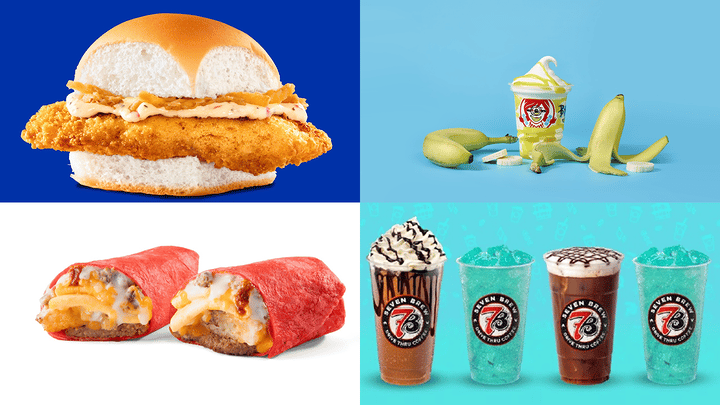
Wendy's, Bojangles, and White Castle have all introduced new offerings, while secondary players are making equally strategic moves. 7 Brew continues expanding its beverage lineup. Freddy's, the Midwest-focused burger chain, is testing new items to capture market share. Just Salad, the salad-focused QSR, introduces fresh vegetable combinations to compete in the health-conscious segment. Luckin Coffee, the Chinese coffee giant, expands its menu beyond beverages. Piada, the Italian quick-casual chain, refines its pasta offerings. Sweetgreen maintains its position in the premium salad space with new seasonal ingredients. Tim Hortons, Canada's coffee institution, keeps pace with new food and beverage options.
These moves reflect broader industry trends. Fast-casual and QSR operators face intense pressure from delivery platforms, changing consumer preferences, and labor costs. Menu innovation serves multiple purposes: it drives traffic through social media buzz, justifies price increases, and keeps existing customers engaged. Seasonal offerings and limited-time items create urgency that drives foot traffic.
The diversity of chains involved—from burger joints to coffee shops to salad bars—shows innovation isn't confined to one category. Each segment pursues growth through product expansion. Coffee chains like 7 Brew and Luckin Coffee add food items to increase average check size. Sandwich and salad specialists add variety to prevent menu fatigue.
Success in QSR increasingly depends on execution beyond the core product. Wendy's, Bojangles, and White Castle leverage their established customer bases to test new items, gathering data before broader rollouts. Smaller players like Piada use innovation to build identity in crowded markets.