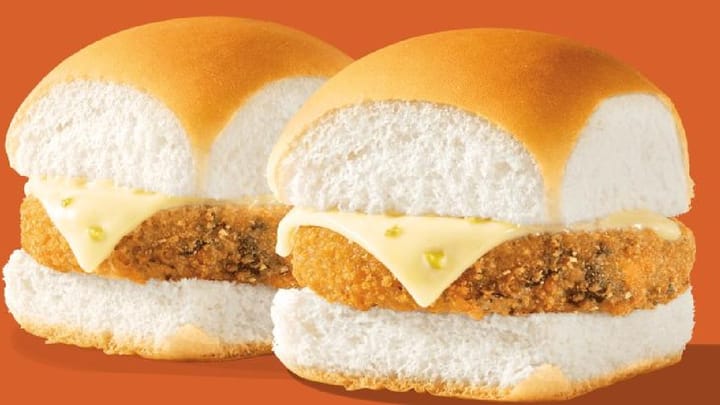
White Castle, Culver's, and Shake Shack are shifting their plant-based burger strategies away from processed meat substitutes toward whole vegetables. The movement reflects changing consumer preferences and a recognition that vegetable-forward burgers deliver cleaner ingredient lists and authentic flavors.
White Castle's approach emphasizes vegetable-based patties made from recognizable ingredients rather than imitation beef. Culver's has introduced burgers built around real produce, creating texture and satisfaction through layered vegetables instead of engineered meat analogs. Shake Shack similarly leans into vegetable-centric formulations that highlight seasonal produce and straightforward cooking methods.
This shift matters because it signals a maturation in plant-based QSR offerings. Early iterations relied on companies like Impossible Foods and Beyond Meat to replicate beef's taste and mouthfeel. While those products found audiences, restaurants discovered that many customers actually prefer honest vegetable burgers that don't pretend to be meat. Whole vegetables deliver nutritional transparency, shorter ingredient panels, and often lower price points for operators.
The trend also reflects business reality. Meat analogs carry premium pricing and complex supply chains. Vegetables are cheaper, easier to source locally, and align with restaurant sustainability messaging. Customers increasingly associate plant-based eating with health and environmental responsibility, making whole vegetables a better brand fit than processed meat replacements.
For QSRs, this positioning addresses the chicken-and-egg problem plaguing plant-based fast food. Previous burger launches required customers to choose between taste and values. Vegetable-focused burgers remove that friction. A burger built from mushrooms, grains, and legumes tastes good on its own terms while satisfying ethical concerns.
The movement also opens new menu real estate. Instead of positioning plant-based burgers as meat substitutes for existing beef eaters, restaurants can market them as distinct