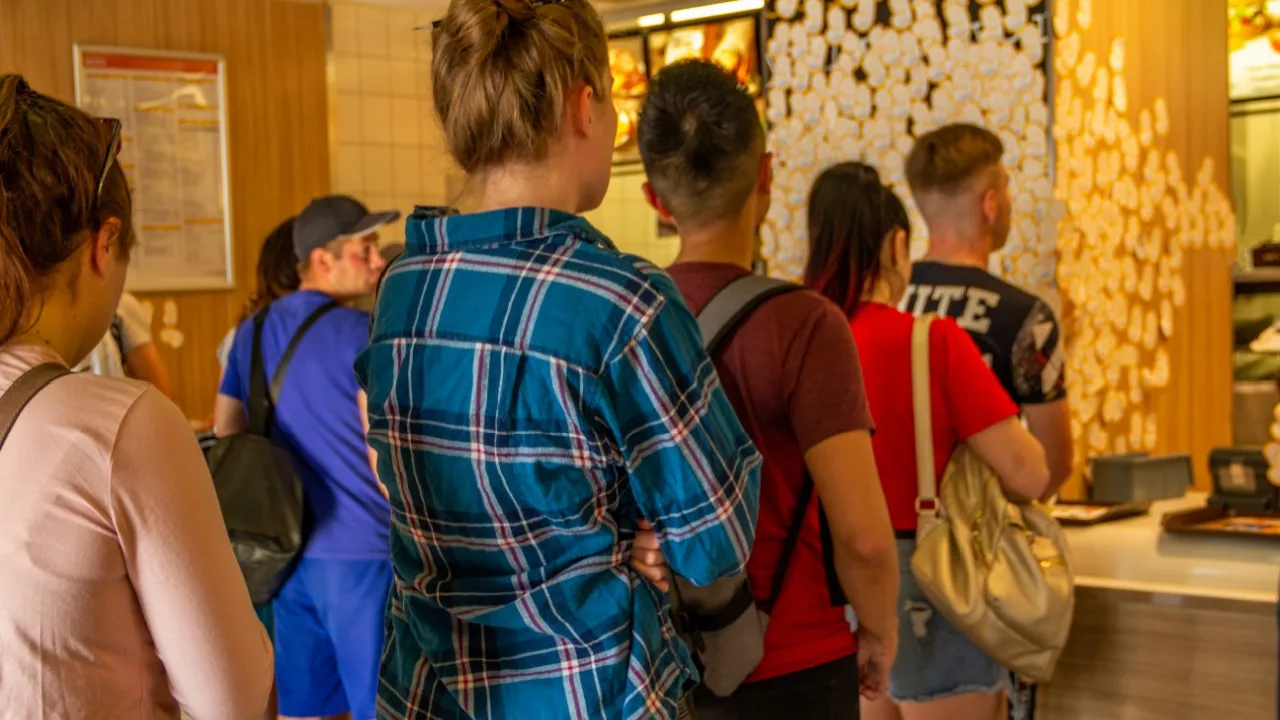
Restaurant customers systematically misremember how often they eat out, underestimating their frequency by 40 percent, according to new research from Facteus. The data analytics firm analyzed actual dining patterns and compared them to consumer surveys, revealing a significant gap between perception and behavior.
The research cuts both ways. While diners undercount their restaurant visits, they also report spending more money than credit card and banking data shows they actually spend. This disconnect matters deeply for the restaurant industry, which relies on consumer surveys to forecast demand, plan inventory, and set marketing budgets.
The implications reshape how chains and independent restaurants should interpret customer feedback. If a diner says they visit a restaurant monthly but actually go six times per year, marketing teams targeting "occasional visitors" may be chasing the wrong demographic. Similarly, when consumers claim higher spending than they actually do, restaurants may overestimate profitability per customer and misprice menus accordingly.
Facteus compiled this data by merging anonymized transaction records with survey responses, identifying patterns across thousands of diners. The 40 percent underestimation of frequency suggests people compartmentalize dining differently than the industry assumes. A quick lunch at a casual chain, a weekend burger, or a weeknight pizza order may not register as "eating out" in consumers' minds the way a planned sit-down dinner does.
This perception gap explains why some restaurants struggle to align inventory with actual demand or why loyalty programs fail to generate expected engagement. Customers who actually dine out far more frequently than they believe may already be loyal without realizing it.
The research underscores a broader challenge in food service economics. Industry decisions built on flawed consumer self-reporting lead to miscalibrated strategies. Restaurants that acknowledge this gap and rely more heavily on actual transaction data rather than surveys will gain competitive advantage in understanding their true customer base and optimizing pricing, promotions, and operational