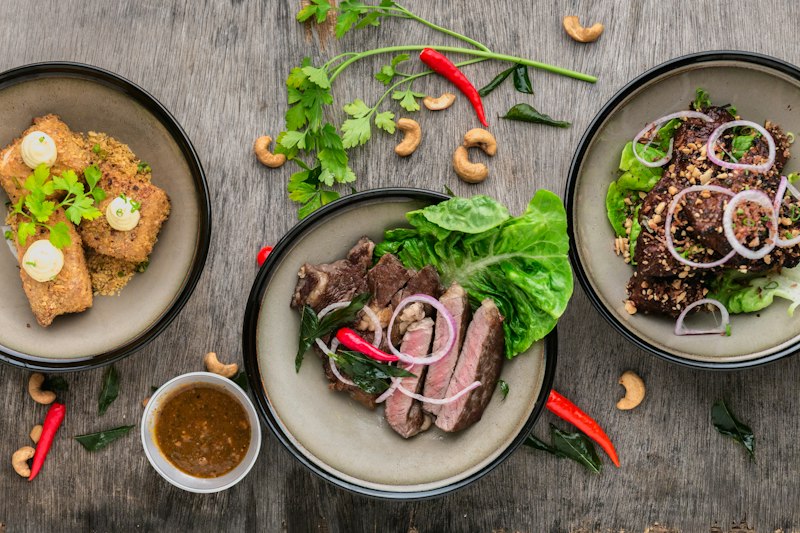
Sugar transforms marinades from functional to exceptional. When dissolved into a liquid base, sugar caramelizes against heat, creating a golden crust on grilled proteins that salt alone cannot achieve. This Maillard reaction develops complex flavors through the chemical breakdown of sugars and proteins, turning simple chicken breasts or steaks into burnished, deeply flavored results.
The science works because sugar enhances browning while simultaneously tenderizing meat. Unlike salt, which primarily seasons, sugar compounds create texture. A tablespoon or two in your marinade base makes the difference between pale, flat-tasting grilled chicken and that restaurant-quality mahogany exterior home cooks chase.
Most effective marinades combine acid, oil, and salt. Sugar acts as the fourth pillar. Citrus juice marinades benefit from a pinch of brown sugar. Soy-based glazes need it. Vinegar-forward marinades transform when you add sweetness. The ratio matters. Too much sugar burns before proteins cook through, creating bitter char. Two tablespoons per cup of marinade hits the balance.
The sweetness needn't taste dessert-like. Brown sugar dissolves cleanly into warm marinades and adds molasses depth. White sugar works but feels one-dimensional. Honey and maple syrup contribute their own character. Even fruit purees, used strategically, provide sugar alongside their acidity and enzymes that break down protein fibers.
Temperature control becomes critical. Marinades with added sugar require slightly lower grill heat and careful monitoring. That golden crust develops faster. The exterior finishes before interiors dry out. Five to ten extra minutes of attention separates showstopping results from scorched disappointment.
This technique explains why barbecue cultures across America and Asia lean heavily on sweet elements. Korean gochujang marinades balance heat with brown sugar. Memphis-