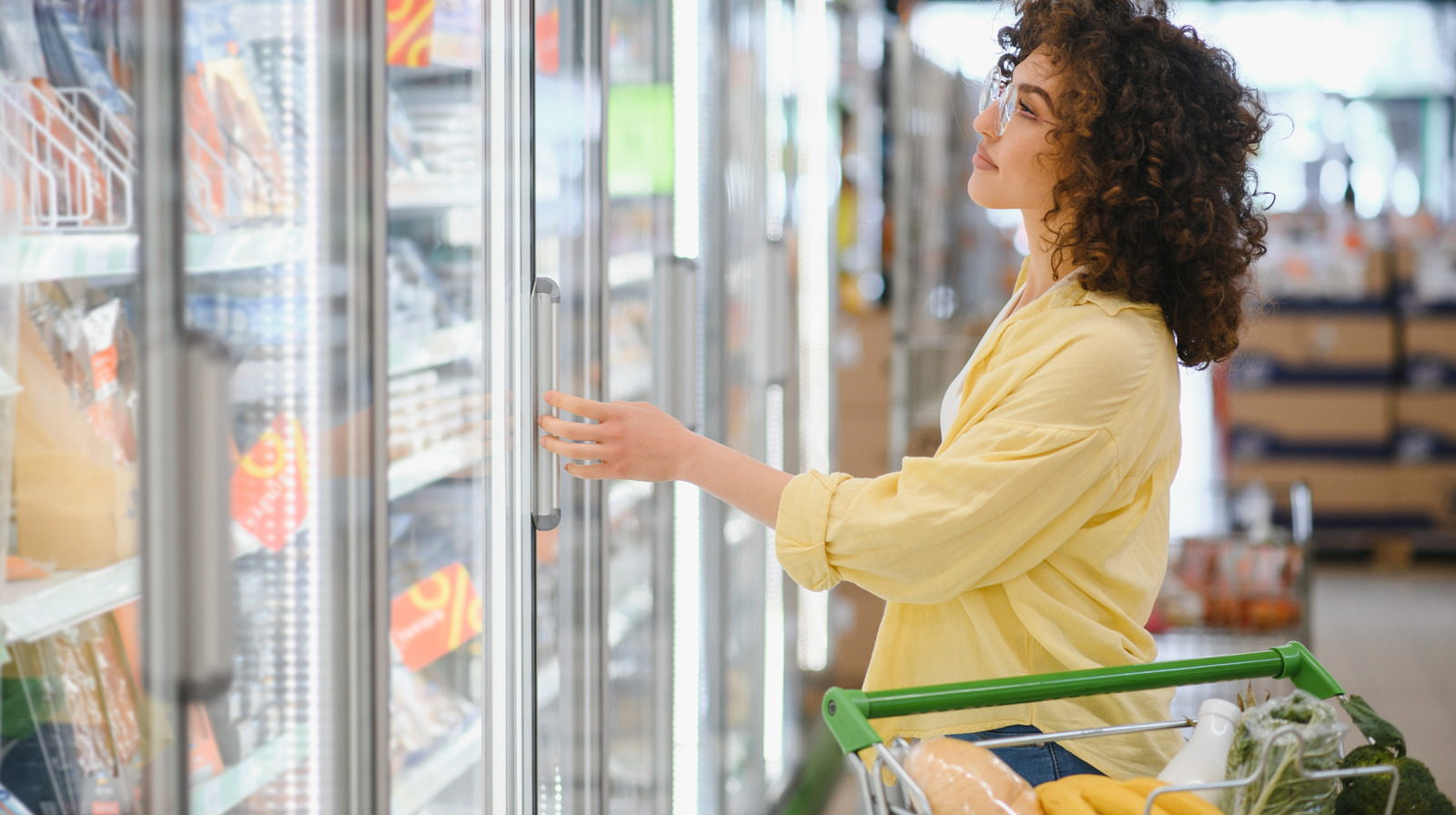
High-protein frozen breakfast options now cater to the growing demand from fitness-focused consumers and anyone seeking substantial morning nutrition. These ready-to-eat products deliver 15 grams of protein or more per serving, positioning themselves as convenient alternatives to scrambled eggs or Greek yogurt bowls.
The frozen breakfast category has evolved significantly. Manufacturers now engineer products that balance protein content with taste and texture, moving beyond the cardboard reputation frozen foods once carried. Options span from breakfast burritos and sandwich wraps to pancakes and scrambled egg cups, each formulated to deliver sustained energy without requiring cooking skills or lengthy preparation.
This shift reflects broader dietary trends. The protein-maximizing movement, popular among gym enthusiasts and wellness advocates, drives consumer interest in nutrient-dense breakfast choices. People juggling busy schedules embrace frozen solutions that require only microwave heating. Parents seeking quick, nutritious options for children also fuel demand.
The nutritional stakes matter here. A 15-gram protein threshold addresses real dietary needs. Nutritionists recommend protein at breakfast to stabilize blood sugar and extend satiety through mid-morning. High-protein frozen items accomplish this without the prep work of traditional cooking.
Distribution networks favor these products too. Supermarket freezer sections now dedicate premium shelf space to protein-forward options, signaling retail confidence in sustained sales. Brands invest in better packaging and marketing, targeting specific demographics: gym-goers, busy professionals, and health-conscious parents.
The quality conversation remains relevant. Some frozen products rely on sodium and additives to mask texture issues. Others use cleaner ingredient lists with recognizable components. Price points vary significantly, from budget-friendly options to premium organic varieties, allowing consumers to choose based on both wallet and values.
This category expansion shows how consumer priorities reshape what food manufacturers produce. The frozen aisle now functions as a legitimate solution for substantive nutrition, not