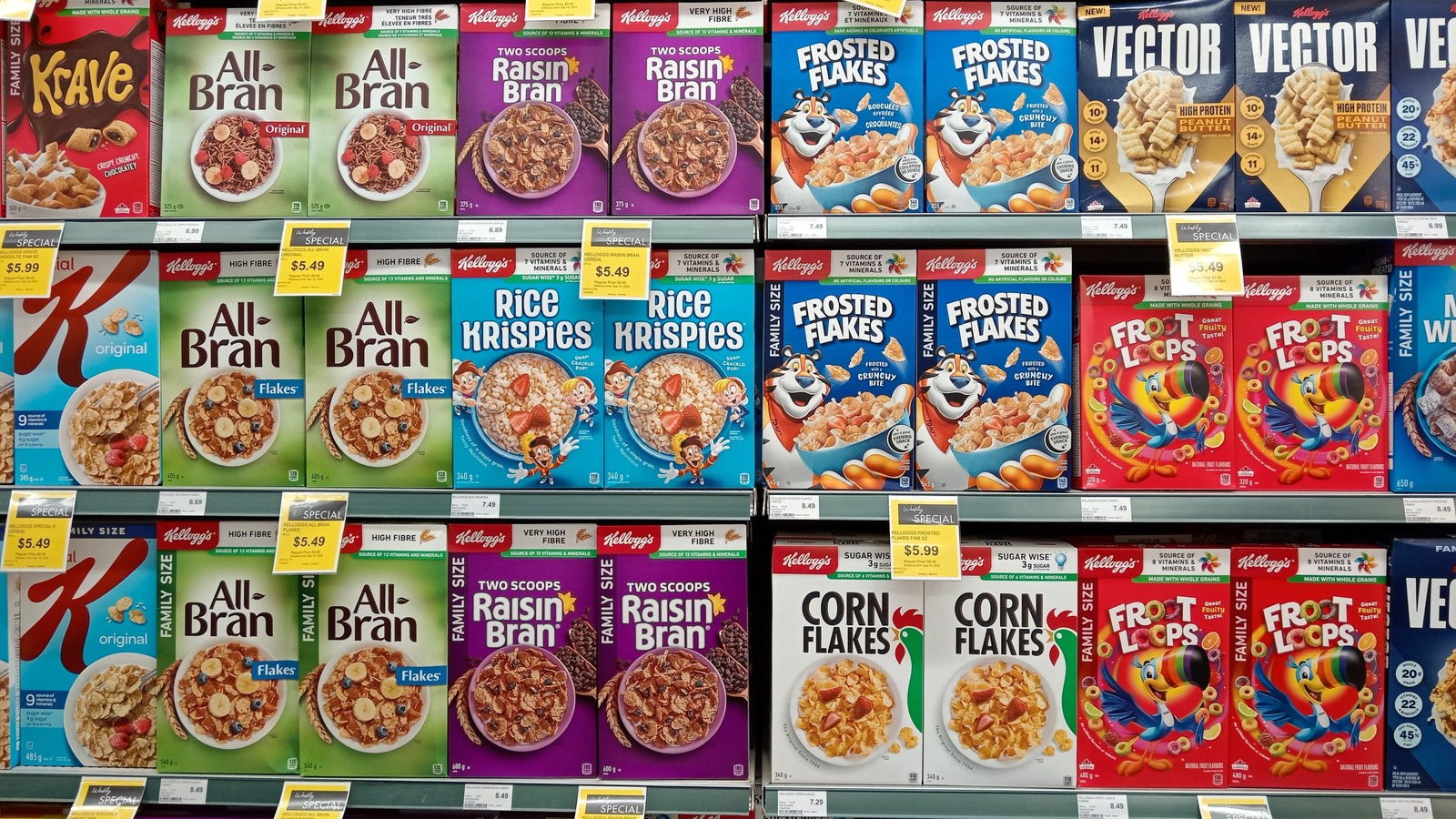
# The Cereal Inspired by Retro Television
Cereal boxes have long carried cartoon characters and TV personalities, but one breakfast brand took the concept further by building its entire identity around a classic television show rather than simply slapping a license on an existing product.
The rise of branded cereals reflects how deeply entertainment and food marketing intertwine. Since the golden age of Saturday morning cartoons, cereal manufacturers have leveraged beloved characters to drive sales to young consumers. Yet most cereals existed first, then added characters later. This particular cereal reversed that formula entirely. The show itself inspired the product from conception, shaping everything from the formula to the packaging design.
This approach reveals the power of nostalgia in food marketing. Retro TV shows carry emotional weight for audiences who grew up watching them, making them potent tools for brands seeking authenticity rather than borrowed appeal. When a cereal genuinely springs from television source material rather than opportunistically licensing a character, it creates a deeper cultural narrative.
The strategy also highlights how food companies recognize entertainment as a primary driver of purchase decisions, especially in the crowded breakfast category. Character-driven cereals compete fiercely for shelf space and children's attention. By building a cereal around an entire show's universe, the brand creates a cohesive, immersive experience that extends beyond the box into the viewer's entertainment consumption.
This crossover between television and breakfast tables demonstrates that consumers often view these purchases as more than functional. They represent identity, memory, and cultural participation. A cereal inspired by a retro show taps into viewers' desire to reconnect with beloved programming while maintaining childhood rituals into adulthood.
Today's cereal market continues evolving, but nostalgic television-driven products remain powerful sellers. They suggest that the most effective food branding doesn't force characters onto products but instead allows entertainment properties to shape food from the ground