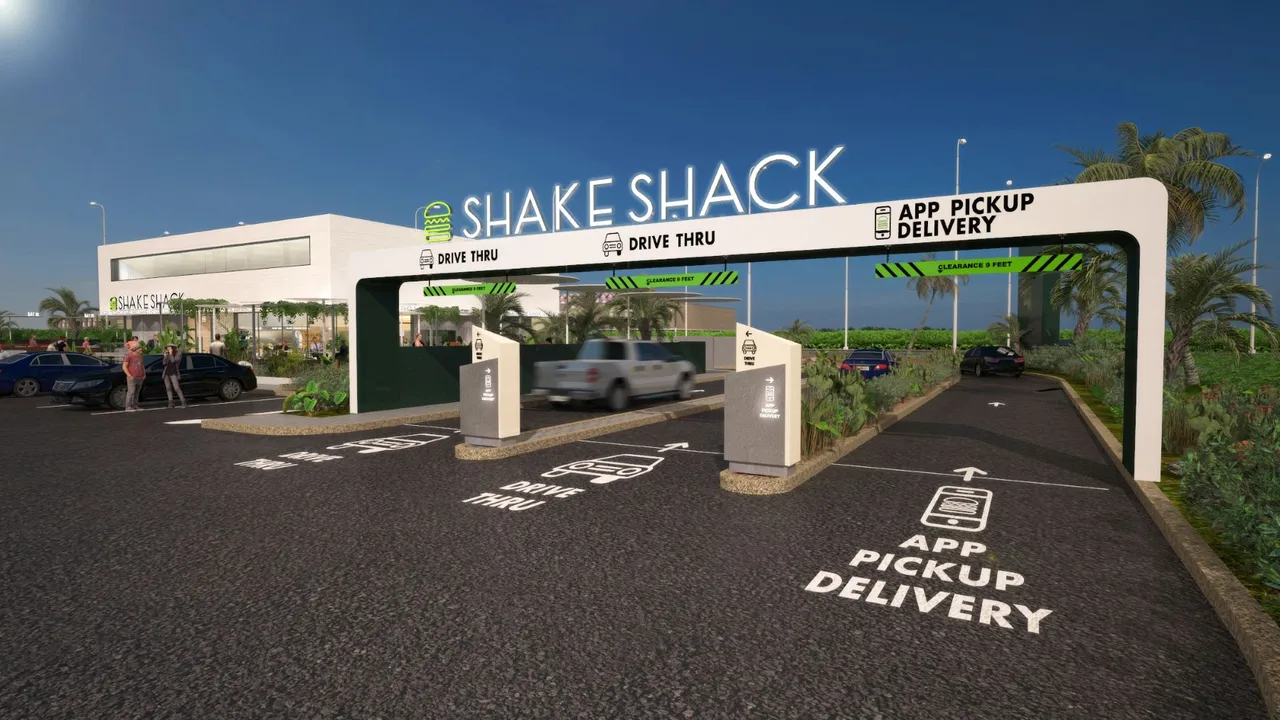
Shake Shack revised its financial outlook downward, citing headwinds that expose vulnerabilities in the fast-casual burger market. The chain lowered both sales and profitability guidance, attributing the move to economic uncertainty and intensifying competition from rivals.
The burger chain faces mounting pressure from multiple directions. Consumer spending patterns have shifted as economic concerns ripple through discretionary dining. Meanwhile, competitors have flooded the fast-casual space, fragmenting the market for premium burgers and shakes. Shake Shack's premium positioning, once a strength, now leaves it exposed when diners tighten budgets.
This guidance cut signals deeper trouble than routine quarterly fluctuations. Shake Shack built its brand on quality ingredients and chef-driven menus under founder Danny Meyer's Shake Shack brand philosophy. The chain charges premium prices for its Angus beef patties, house-made condiments, and craft beverages. When sales guidance drops, it suggests customers are trading down or visiting less frequently.
The competitive landscape has darkened considerably. Five Guys, Smashburger, and regional players have expanded aggressively. Meanwhile, traditional quick-service chains like McDonald's have upgraded their burger offerings, capturing price-sensitive diners. Even Wendy's has positioned itself as a fresher alternative.
Shake Shack's stock reflected the disappointment immediately. Investors punished the chain for missing growth expectations, particularly given its premium valuation. The company had positioned itself as a growth story capable of sustained expansion across new markets. Lower guidance suggests that narrative has fractured.
For consumers, this moment matters less as an investment story and more as a marker of broader dining behavior. When premium burger chains falter, it reveals how consumers allocate limited discretionary dollars. Shake Shack's struggle indicates that fast-casual burger fatigue is real and that price sensitivity has