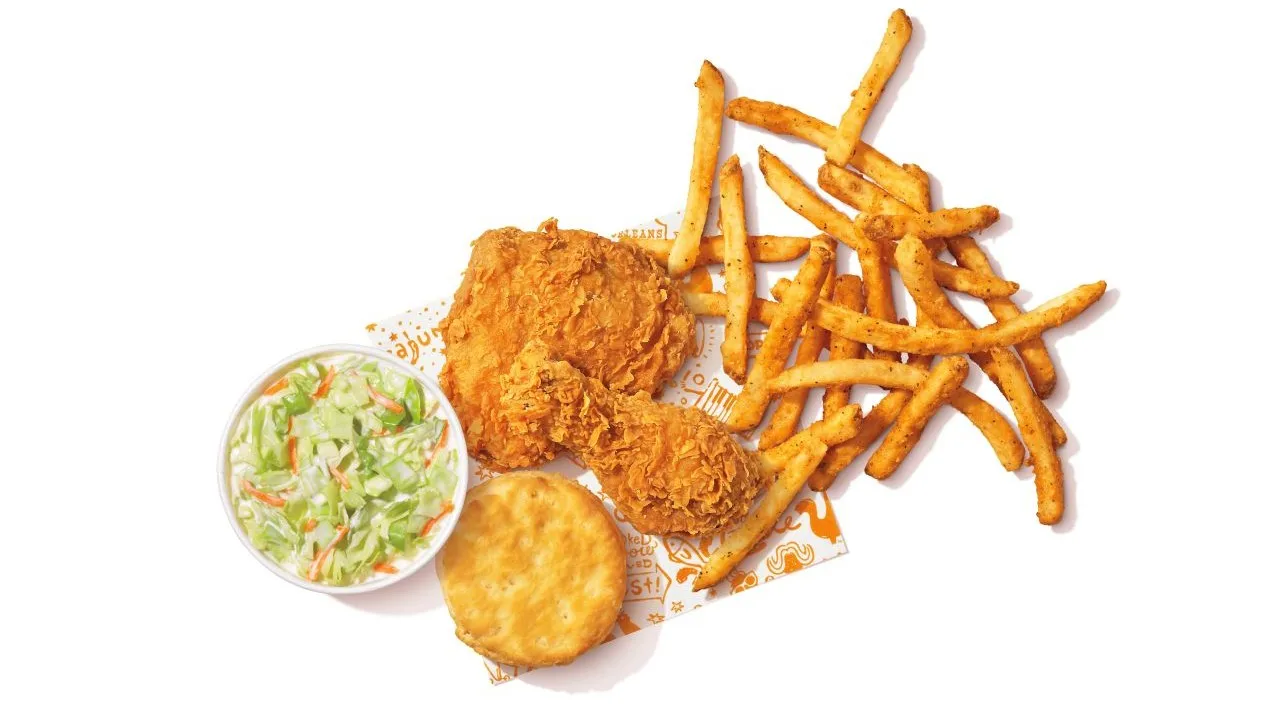
Popeyes has relaunched its $6 Big Box as a limited-time offer, directly addressing consumer pressure on fast-casual chicken chains. The move comes after the Louisiana-based brand reported declining same-store sales over multiple quarters, signaling weakened customer traffic and ticket size.
The Big Box bundles a entrée, a side, and a drink into a single price point that undercuts many competitors. This strategy targets price-sensitive diners who've shifted their spending habits as inflation pressures persist. Fast-casual and QSR brands have faced sustained headwinds as consumers trade down to cheaper options or eat at home more frequently.
Popeyes' relaunch reflects a broader industry pattern. Chains like McDonald's, Chipotle, and Wendy's have all introduced or expanded value menus to compete for budget-conscious customers. The $6 ceiling represents a psychological price barrier that operators use to demonstrate affordability while protecting margins through bundling rather than deep discounting on individual items.
The timing matters. Popeyes competes in the explosive chicken sandwich category it helped ignite with its 2019 sandwich launch. That product became a cultural phenomenon and drove traffic for years, but the category has since become crowded with competition from McDonald's, Chick-fil-A, and regional players. Sustained growth requires keeping existing customers engaged while attracting new ones with compelling value.
Limited-time offers carry built-in urgency that encourages immediate purchase decisions. By positioning the Big Box as temporary rather than permanent, Popeyes creates scarcity without committing to a permanent price floor that could erode profitability long-term.
The chain's recent performance suggests promotional activity alone won't solve deeper issues. Sales declines across multiple quarters point to traffic loss and menu fatigue rather than pure price resistance. Success depends on whether the Big Box drives