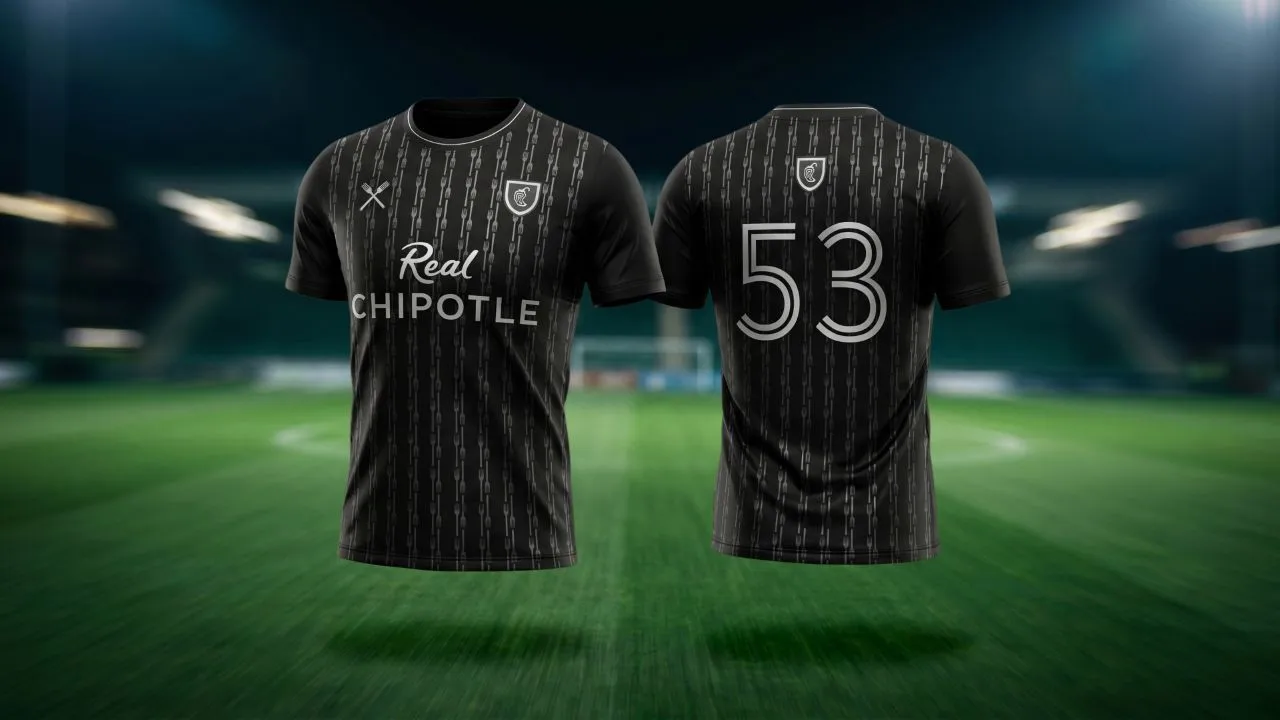
Chipotle strips down its marketing playbook for the 2024 World Cup. On June 11, the chain offers buy-one-get-one free entrees to any customer walking in wearing a soccer jersey.
The promotion mirrors a broader pattern in quick-service restaurants capitalizing on sports events. Chipotle's move targets the overlap between its core demographic and soccer fans, a growing audience in the United States. The single-day flash sale creates urgency and foot traffic during a predictable surge in restaurant visits around major sporting events.
The BOGO deal also addresses a structural challenge for fast-casual chains. Unlike traditional quick-service competitors, Chipotle operates on built-in labor costs tied to custom orders. A promotion doesn't strain operations the way it might at a burger chain running simultaneous fryer tickets. The model absorbs volume without complexity.
Soccer jerseys serve as an easy activation lever. Fans already own them. The requirement removes friction while maintaining brand alignment with sports culture. Chipotle positions itself as a casual gathering spot, not just a lunch counter.
The timing matters too. June 11 falls during the Copa América tournament, not the FIFA World Cup, but the sentiment holds. Soccer viewership peaks during major tournaments, and restaurants historically see uplift during these windows. Quick-service operators know their audience shifts. They eat differently during games. They gather in groups. They value speed and customization simultaneously.
For Chipotle, the promotion reflects confidence in its supply chain and staffing. The chain can absorb a volume spike without sacrificing service speed or food quality. That operational muscle separates it from competitors who must close or reduce hours to manage sudden demand.
This isn't innovation. But it's effective. A single jersey requirement converts casual interest into concrete sales. The chain gets repeat customers who otherwise might order elsewhere, and those customers often return outside the