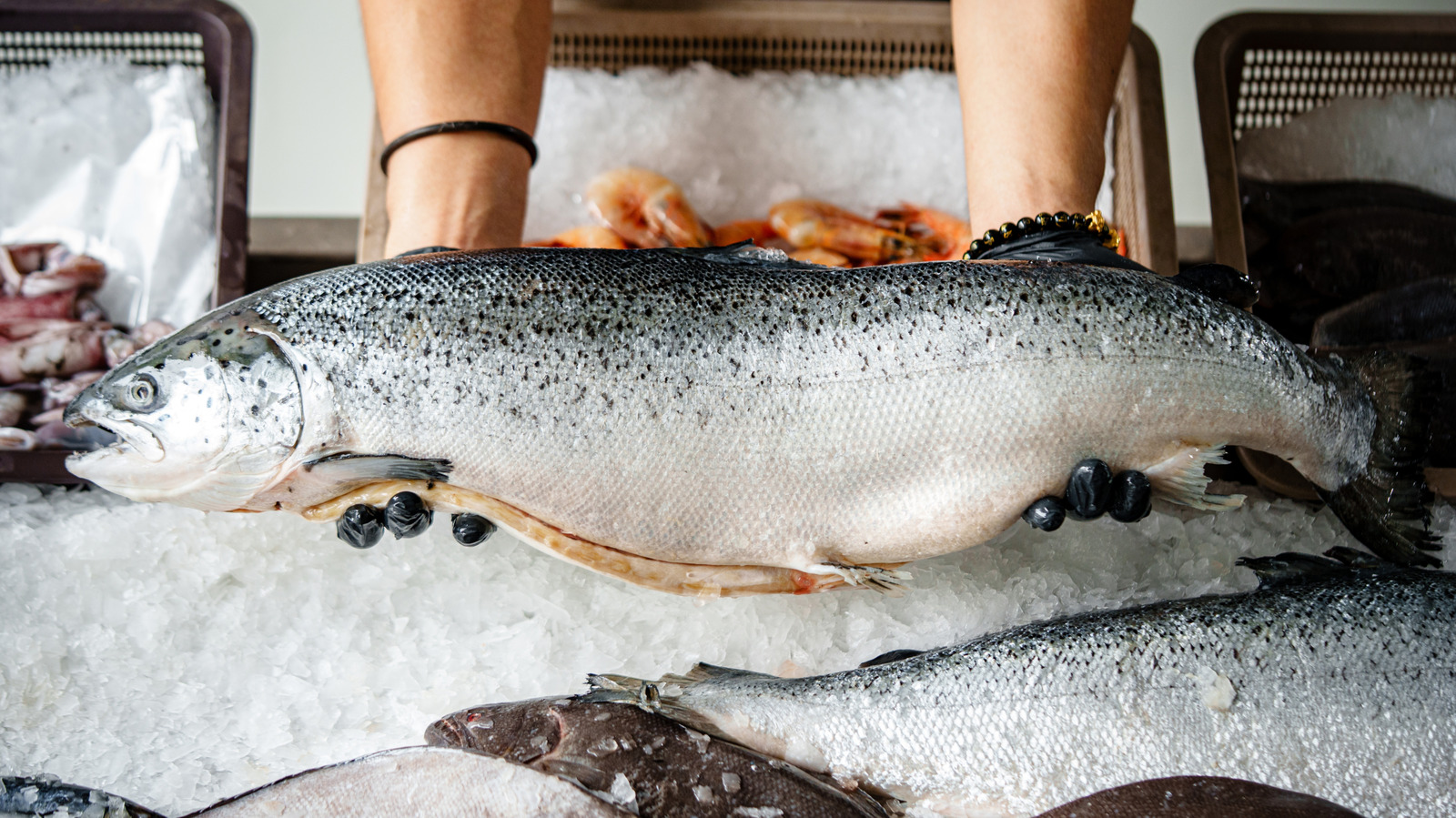
Salmon's reputation as an omega-3 powerhouse has made it a kitchen staple for health-conscious eaters, but the fish commands premium prices at most markets. Several accessible alternatives pack even more of these essential fatty acids per serving.
Mackerel delivers the highest omega-3 concentration among fish options, offering nearly twice what salmon provides. This oily fish costs considerably less and cooks quickly, making it practical for weeknight dinners. Sardines, another affordable option, contain substantial omega-3s and come canned for convenience, eliminating prep work entirely.
Beyond seafood, plant-based sources deliver impressive amounts. Flaxseeds contain remarkable omega-3 levels when ground or added to smoothies and baked goods. Chia seeds offer similar benefits with a neutral flavor that integrates into virtually any dish. Walnuts provide omega-3s alongside satisfying crunch for salads and snacks.
Fortified foods bridge the gap between whole ingredients and nutritional targets. Some plant-based milks, yogurts, and egg brands now contain added omega-3s, making them convenient choices for busy schedules.
Hemp seeds round out the list, offering complete protein alongside omega-3 fatty acids. Their nutty flavor enhances grain bowls, toast toppings, and salads without requiring special preparation.
Budget considerations matter as much as nutrition. A can of mackerel costs a fraction of fresh salmon fillet while delivering superior omega-3 content. Ground flaxseeds sit affordably on grocery shelves for months, making them reliable staples for those managing food costs alongside health goals.
Diversifying omega-3 sources prevents palate fatigue and spreads nutrient variety across your diet. Rotating mackerel tacos, sardine toasts, walnut-topped salads, and chia pudding throughout the