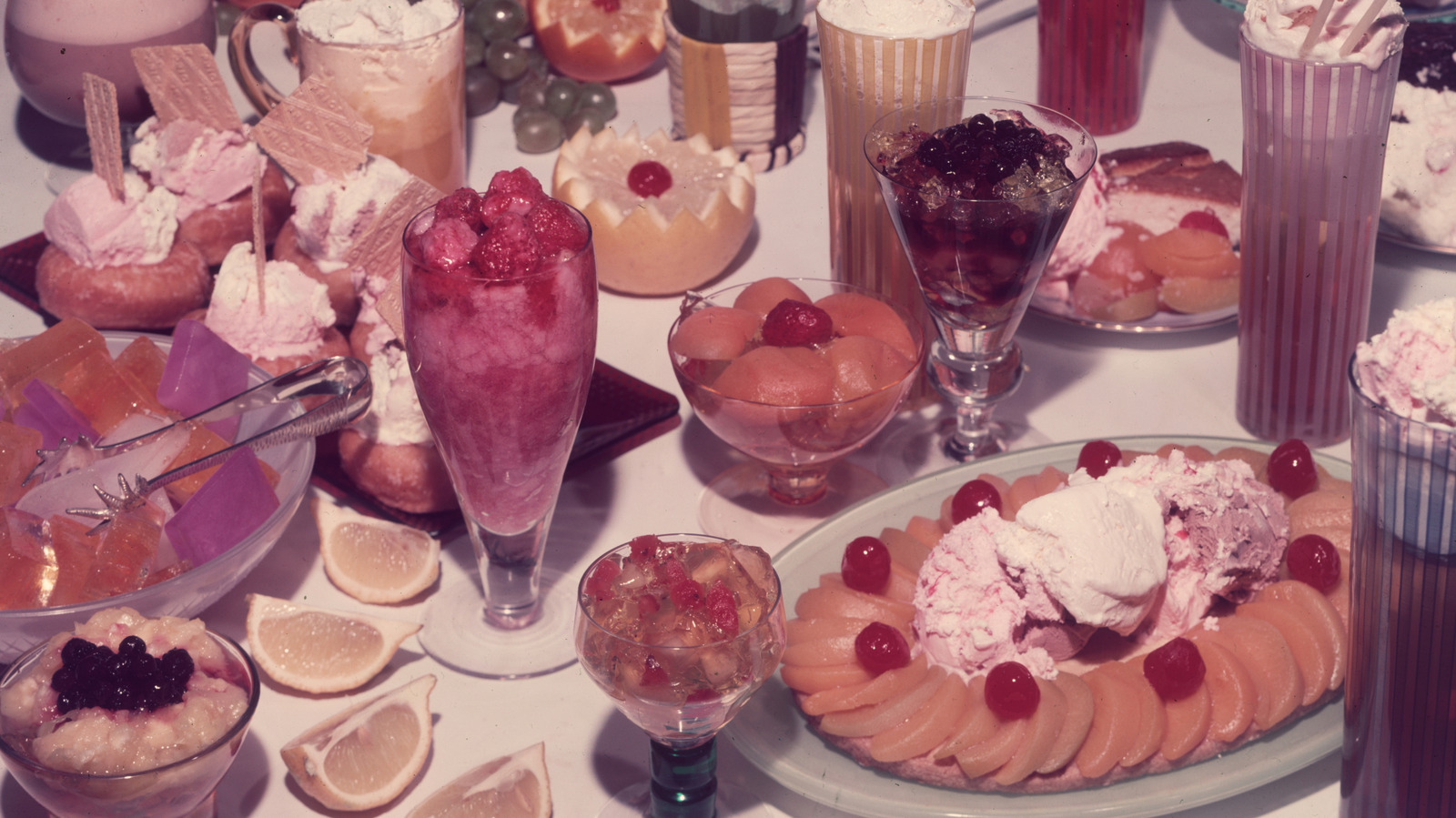
The 1960s gave America a chocolate dessert that refused to fade into nostalgia. This confection emerged during an era of convenience foods and space-age optimism, capturing imaginations with its theatrical presentation and rich, molten center. The dish became a dinner party staple, a showstopper that home cooks could master with confidence.
Decades later, the dessert remains on menus across the country. Fine dining restaurants serve it alongside modern plating techniques. Casual establishments offer their own interpretations. Home bakers still prepare versions from dog-eared recipe cards and, increasingly, from food blogs that keep the formula alive.
The dessert's longevity speaks to something fundamental about chocolate and indulgence. It satisfies the desire for drama at the table. The contrast between crispy exterior and warm, flowing center creates a sensory experience that photographs well and tastes even better. This combination proved timeless.
The 1960s favored dishes that demonstrated mastery and creativity without requiring hours in the kitchen. This chocolate creation fit perfectly into that philosophy. It could be prepared ahead, then finished tableside or baked to order. Restaurant kitchens loved the efficiency. Home entertainers appreciated the elegance.
Today, chefs riff on the original formula. Some add espresso. Others incorporate liqueurs or exotic chocolates. The fundamental architecture remains intact. That consistency across six decades reveals why certain foods transcend their era. They solve problems. They deliver pleasure. They work.
The dessert represents a specific moment when American food culture embraced both convenience and sophistication. Frozen foods and casseroles dominated home kitchens, yet dinner guests still expected elegance. This chocolate creation bridged that gap perfectly. It looked complicated. It tasted decadent. It required minimal actual effort.
That balance never goes out of style. Every generation discovers it anew,