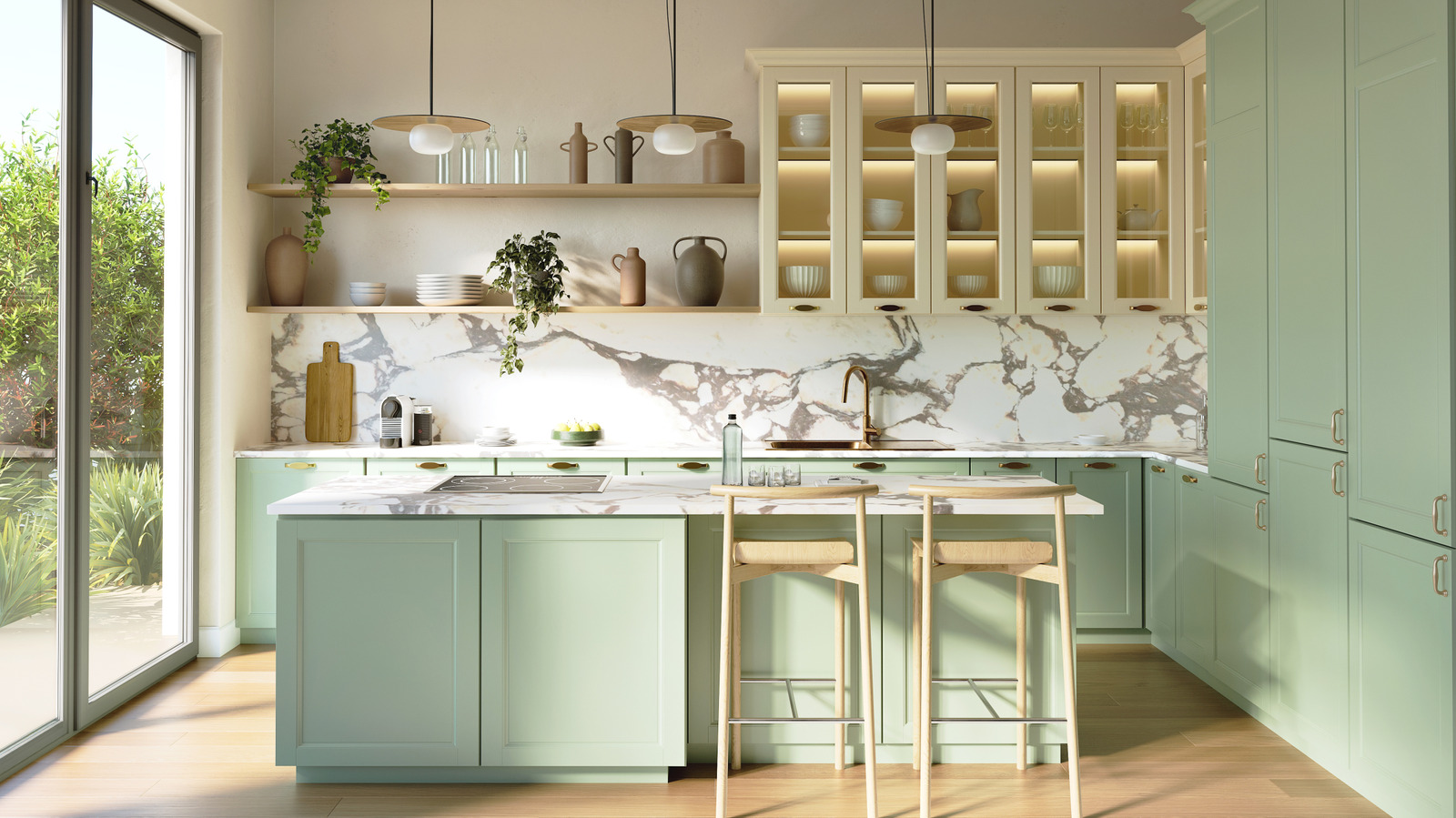
# Baby Boomers Reject the Kitchen Islands Takeover
Kitchen design trends shift constantly, and the latest wave of minimalist, island-focused layouts has left baby boomers cold. The generational divide reveals deeper preferences about how we cook and eat at home.
Modern kitchen design prioritizes open floor plans anchored by large islands. These centerpieces serve as prep stations, casual dining spots, and social hubs. For younger homeowners and designers, islands represent efficiency, style, and the blurred boundary between cooking and living spaces that defines contemporary home life.
Baby boomers grew up in an era when kitchens were separate work zones, often closed off from main living areas. Their preference reflects practical experience with cooking methods that required focused counter space, organized storage, and distinct workflow patterns. Many boomers find oversized islands wasteful, clunky, and dependent on trends they didn't choose.
The generational split points to authentic differences in cooking habits. Boomers tend to cook elaborate meals requiring multiple burners, multiple prep surfaces, and organized pantry access. Islands disrupt these workflows, forcing cooks to navigate around seating and socializing. Younger home cooks often rely on simpler preparations, takeout, and casual entertaining, making islands perfect for their lifestyle.
Material choices add another layer. Modern islands favor glossy surfaces and trendy finishes. Boomers prefer durable, easy-to-clean counters that withstand heavy use without requiring constant upkeep.
Kitchens reveal how we actually live. The island trend suits homes where cooking occupies one role among many in an open-plan lifestyle. For boomers who built their identities around serious home cooking, the trend feels like surrendering functional counter space to Instagram aesthetics.
This divide matters for contractors, designers, and retailers. Kitchen remodeling represents one of the largest home