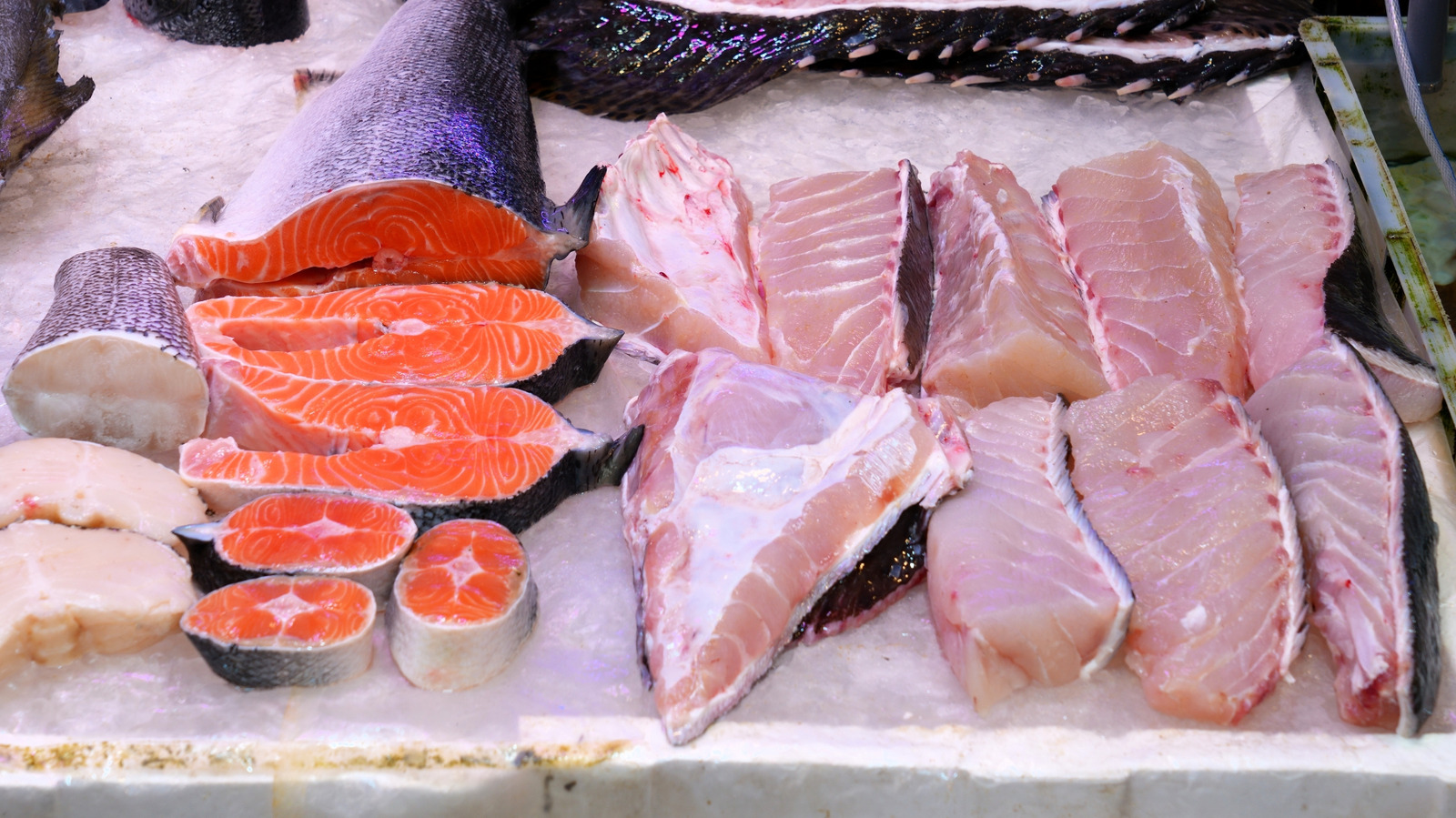
Most people chase salmon and tuna for omega-3 fatty acids, but they're missing the real champion. Mackerel contains more omega-3s per serving than either of those fish, delivering roughly 2,600 milligrams in a 3.5-ounce portion. Salmon offers about 2,300 milligrams, while tuna trails at roughly 300 milligrams, depending on the species.
The human body cannot synthesize omega-3s independently, making dietary sources essential for heart health, brain function, and reducing inflammation. These polyunsaturated fats support cardiovascular performance and cognitive development, yet most diets fall short.
Mackerel's superiority stems from its fatty composition and size. The fish accumulates high lipid concentrations naturally, and its smaller frame means less dilution of beneficial compounds. Atlantic mackerel and Pacific mackerel both deliver substantial amounts, though Atlantic varieties edge slightly higher in certain omega-3 forms, particularly EPA and DHA, the two most bioavailable types humans require.
The cost advantage matters too. Mackerel costs less than premium salmon fillets while providing superior nutritional density. This makes omega-3 supplementation through food more accessible for budget-conscious households. Canned mackerel offers comparable benefits to fresh preparations, expanding accessibility further.
Preparation methods affect retention. Baking and poaching preserve more omega-3s than frying, which oxidizes fragile polyunsaturated bonds. Pairing mackerel with acid sources like lemon or vinegar enhances absorption and masks the fish's strong, distinctive flavor that some find challenging.
Beyond nutrition, mackerel occupies a different position in ocean ecosystems than tuna or salmon. These smaller fish reproduce rapidly and face fewer conservation concerns, making them a more sustainable choice for environmentally conscious eaters