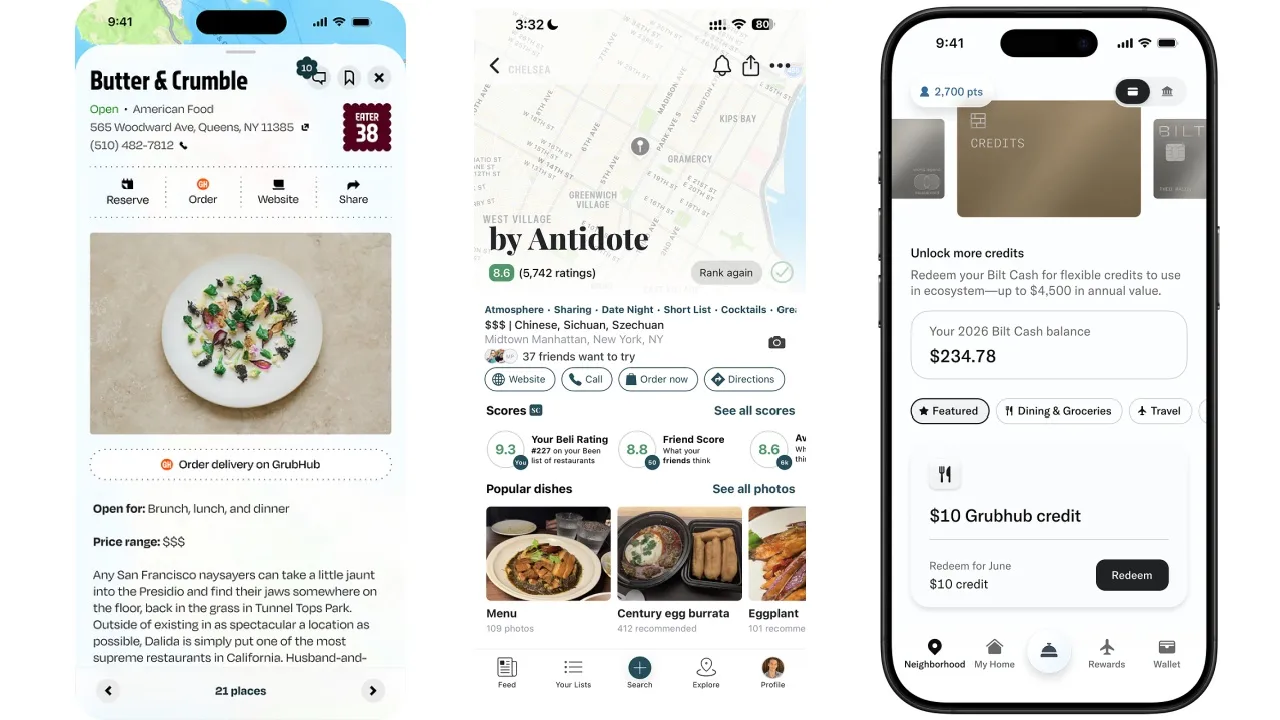
Grubhub expands its reach beyond its own app and website by integrating with third-party platforms that diners already use daily. The delivery service now operates through Eater, Beli, and Amazon's Alexa+ service, plus the credit card app Bilt, allowing customers to order food without switching between multiple applications.
The strategy reflects how delivery services compete for convenience in an increasingly fragmented digital landscape. Rather than forcing users to download yet another app, Grubhub embeds its ordering system into platforms where hungry diners already spend time reading reviews, checking credit card rewards, or controlling smart home devices.
Eater integration proves particularly strategic. The restaurant review platform reaches millions of food-focused readers who research restaurants before deciding where to eat. Those same users can now order delivery directly without leaving the platform. Beli, which focuses on marketplace discovery, offers similar advantages by letting customers browse and purchase from restaurants in one place.
The Alexa+ partnership targets voice-first ordering. Amazon's premium subscription service members can simply tell their devices to order food, streamlining the process for households already invested in Alexa ecosystems. Bilt's integration appeals to credit card users seeking dining rewards and cashback, turning the card app into a quasi-restaurant marketplace.
Grubhub faces intense competition from DoorDash, Uber Eats, and regional players. Partnerships like these help the company maintain market relevance without the marketing spend required to acquire users directly. Each integration places Grubhub restaurants in front of engaged audiences at moments when those audiences consider ordering food.
The approach also addresses a real consumer pain point. Delivery apps have proliferated so aggressively that diners often juggle multiple platforms just to compare options. By embedding itself into existing trusted platforms, Grubhub simplifies that experience while giving partner apps new revenue opportunities