Chick-fil-A expands its delivery footprint with a ghost kitchen in Miami, operating without a traditional dining room or drive-through window. The operation focuses on core menu items, funneling orders through third-party delivery platforms like DoorDash, Uber Eats, and Grubhub rather than direct customer visits.
This move reflects how major restaurant chains now chase convenience-driven consumers who prioritize speed and doorstep delivery over in-person dining. Ghost kitchens, also called virtual restaurants or cloud kitchens, require lower overhead than brick-and-mortar locations. No front-of-house staff, minimal real estate costs, and streamlined menus make the model economically attractive for chains testing new markets or maximizing delivery revenue.
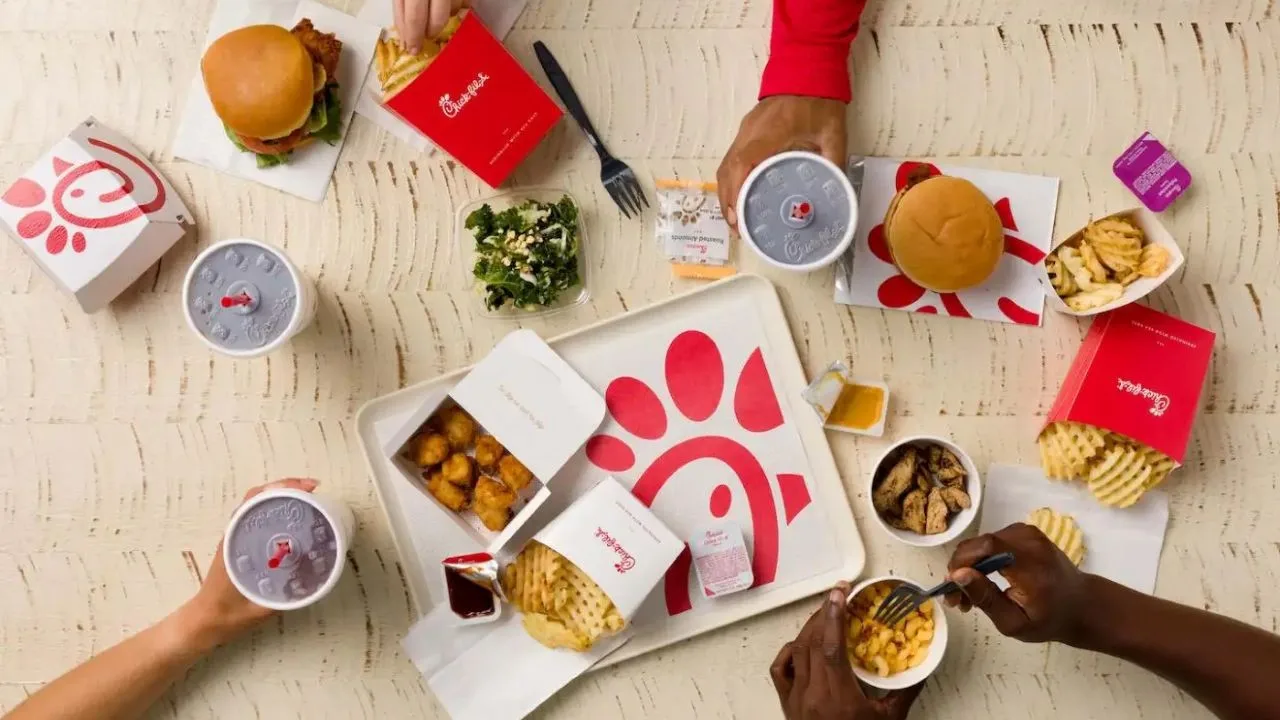
Chick-fil-A's Miami ghost kitchen signals confidence in the region's delivery demand while sidestepping the capital investment of a full restaurant build-out. The chain's signature chicken sandwiches, waffle fries, and beverages travel well through delivery services, making them suited for off-premises consumption. By limiting the menu to core items, the kitchen reduces complexity and staffing needs while maintaining quality control.
The strategy places Chick-fil-A directly in competition with other fast-casual operators experimenting with delivery-only models. Chipotle, Wingstop, and other chains have launched ghost kitchen concepts in major metros to capture market share from customers ordering on their phones rather than visiting locations.
For Miami specifically, this kitchen taps into a growing delivery-dependent market where traffic congestion and urban density make third-party platforms integral to restaurant operations. The move also allows Chick-fil-A to test operational efficiency in a format that could scale to other cities.
Ghost kitchens introduce trade-offs. Delivery fees eat into profit margins, and platforms control customer data and