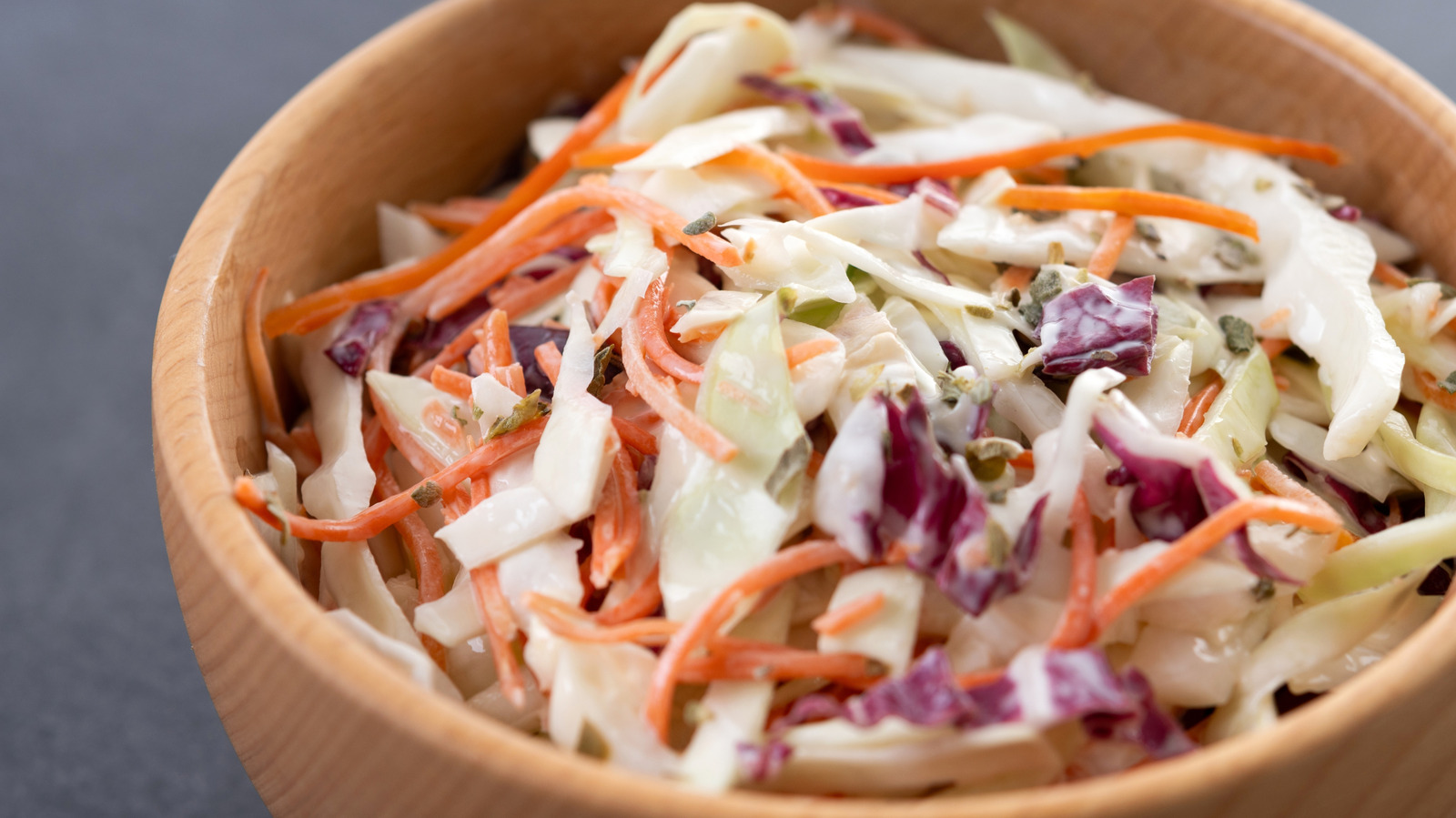
Barbecue season demands coleslaw, and shoppers have spoken. Grocery store shelves overflow with pre-made options, but customers consistently reach for a handful of winners when assembling their backyard spreads.
The appeal runs deep. Making coleslaw from scratch requires shredding cabbage, whisking dressing, and timing the slaw so it stays crisp without turning soggy. Store-bought versions eliminate this labor while delivering reliable flavor and texture. For hosts managing multiple dishes, these shortcuts matter.
Customers favor brands that balance crunch with creamy dressing. They reward products where cabbage remains snappy hours after opening. They reject anything that tastes aggressively vinegary or oversweetened. The best versions taste fresh, not industrial. They pair seamlessly with pulled pork, brisket, and ribs without overpowering the main event.
Quality varies sharply across retailers. Some grocery chains maintain superior produce standards, affecting the base cabbage. Others source dressings with cleaner ingredient lists. National brands dominate certain regions while local producers capture loyal followings elsewhere.
Shoppers increasingly read labels, seeking coleslaws without excessive sodium or artificial additives. Health-conscious cooks appreciate options with reasonable calorie counts. Budget-minded buyers compare price per ounce, finding surprising value in store brands that rival premium offerings.
The coleslaw category reflects broader grocery trends. Customers demand convenience without sacrificing quality. They want restaurant-quality results without restaurant prices. They expect transparency about sourcing and preparation.
For barbecue hosts, store-bought coleslaw represents a calculated trade-off. You sacrifice the satisfaction of making it yourself but gain time and consistency. The best grocery store options bridge this gap, tasting close enough to homemade that guests forget you grabbed it from produce. That reliability keeps customers returning to the same shelves