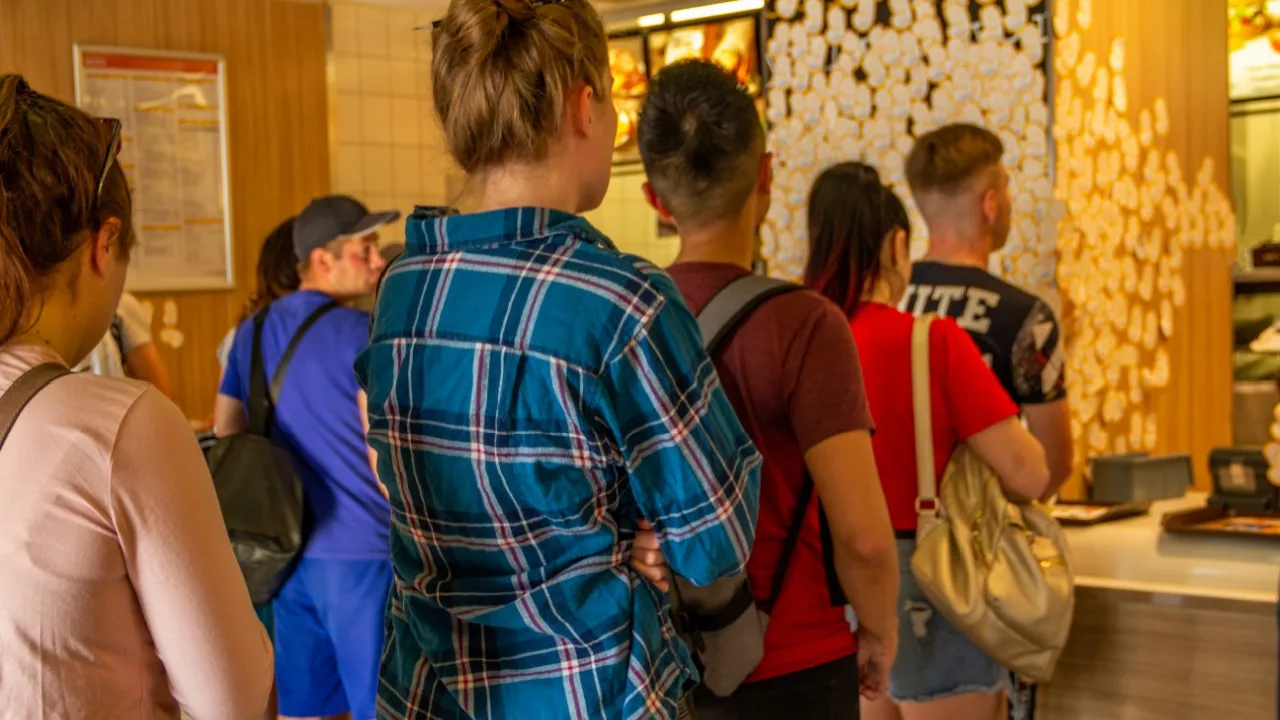
Diners systematically misremember how often they eat out, undercounting their restaurant visits by roughly 40 percent, according to research firm Facteus. The disconnect between perceived and actual dining behavior reveals a gap in consumer self-awareness that reshapes how restaurants and marketers understand their customers.
Facteus analyzed transaction data across thousands of diners and compared the results to self-reported dining frequency. Consumers consistently stated they ate at restaurants less often than their credit card and debit card records showed. The same consumers also reported spending more per visit than their actual transactions reflected, creating a curious paradox where people believe they dine out less frequently but spend more money when they do.
This 40-percent variance matters for restaurants trying to build loyalty programs and target repeat customers. A diner who thinks they visit a restaurant chain monthly might actually show up every three weeks. Marketing messages designed around infrequent visitors miss opportunities to reward habitual customers who underestimate their own loyalty.
The research has implications for how restaurants segment their audiences and design promotions. Frequency-based rewards programs may reach more engaged customers than previously thought, while discounts aimed at luring infrequent visitors could be wasted on people who already visit regularly but don't recognize the pattern.
Consumer spending misperceptions also affect how restaurants interpret profit margins. If customers underestimate their visits while overestimating what they spend per trip, restaurants gain actual revenue from frequency rather than higher average checks. This shifts where restaurants should focus operational efforts: optimizing quick service and turnover becomes more valuable than upselling expensive menu items.
The data challenges the restaurant industry's reliance on customer surveys and self-reported metrics. Direct transaction tracking reveals behavior that surveys miss entirely. As restaurants increasingly leverage payment data and loyalty apps, they access the truth about dining patterns that consumers themselves cannot accurately recall. This advantage lets restaurants tailor operations, inventory