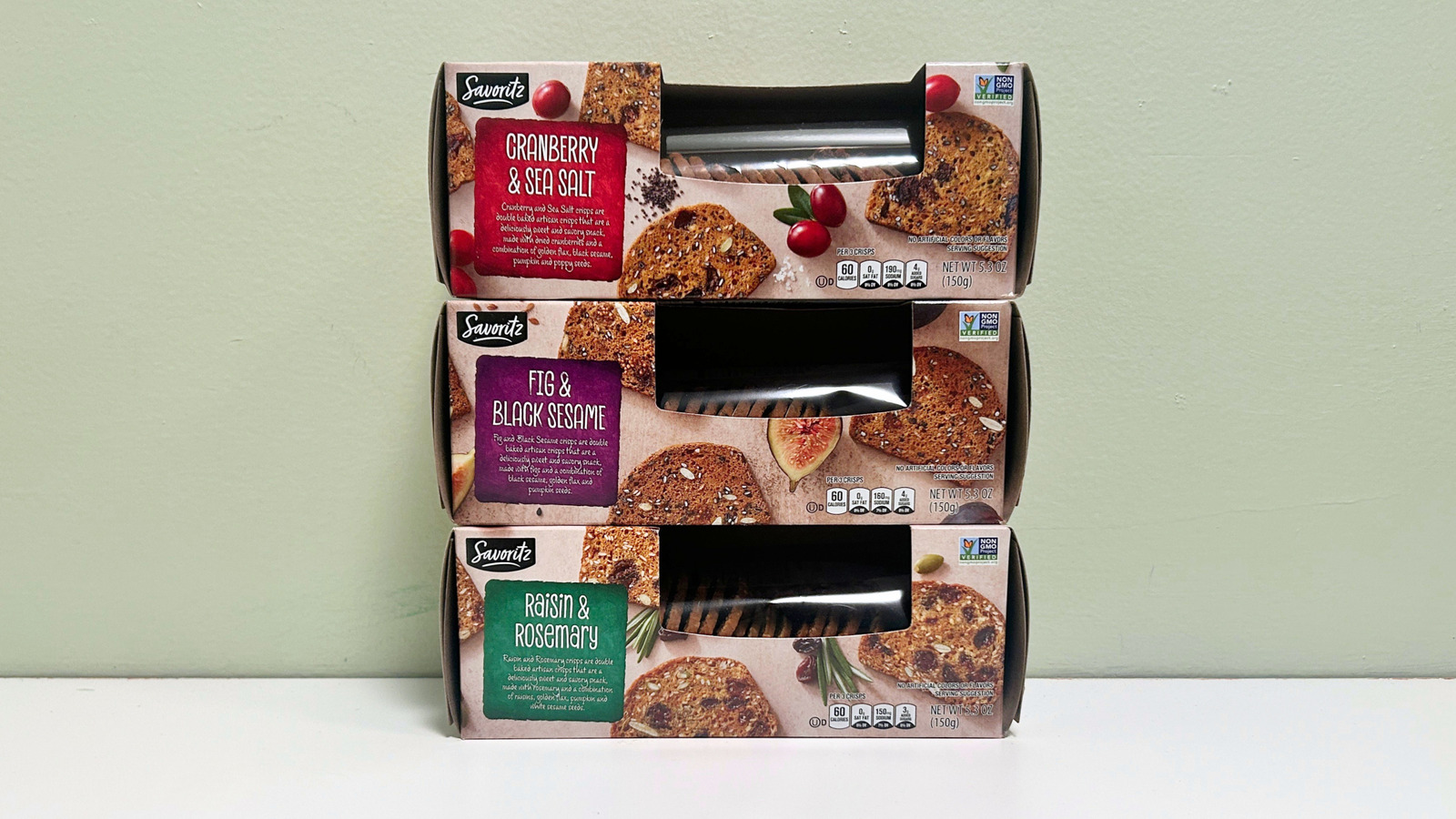
Aldi's discount aisle has become a testing ground for budget-friendly alternatives to premium snacks. The retailer's Savoritz artisan crisps now compete directly with established upscale brands, challenging the assumption that quality requires a premium price tag.
The Savoritz line arrives as Aldi doubles down on its private-label strategy, a model that has defined the discount grocer's expansion across North America. These crisps target consumers seeking artisanal flavor without artisanal pricing. Traditional upscale crisp makers command shelf prices two to three times higher, relying on heritage narratives and small-batch production claims to justify costs.
Savoritz positions itself as a middle ground. The line offers flavored varieties with ingredients that echo what premium producers use. kettle-cooked techniques and seasoning blends replace commodity potato chip simplicity. Aldi prices the product at a fraction of what consumers pay for brands positioned as premium or craft offerings.
The real competition extends beyond taste. Upscale crisp brands built loyalty through consistent availability and marketing. Aldi's rotating "Aisle of Shame" creates urgency through scarcity, a retail tactic that drives foot traffic and repeat visits. Shoppers hunt for new Savoritz varieties, knowing stock vanishes quickly.
The broader retail shift toward private-label premium products reflects changing consumer priorities. Inflation has pushed price-conscious shoppers toward discount chains. Simultaneously, those shoppers refuse to sacrifice perceived quality. Aldi recognized this tension and invested in better-than-store-brand products that undercut specialty retailers without looking cheap.
Whether Savoritz matches upscale crisps in taste remains subjective. The more important question is whether consumers believe they do. Aldi's strategy banking on this perception. The discount chain understands that premium branding